
Plan your 2026 with KOTWF. Here are 5 questions to ask yourself
It’s January. The Winter Solstice is behind you and your Strava stats have reset to zero. Perhaps you’ve just finished your offseason, or maybe you’re right in the middle of it as you read this. In either case, now is the perfect time to start thinking about what you want your 2026 to be.
At KOTWF, we believe that real progress in endurance sports lies in the balance between exploration and focus. We all need exploration to discover new ideas, experiences and perspectives. It’s by keeping an eye on what’s out there that we keep things interesting and exciting. But we also need focus so that we can persevere and give ourselves direction. It’s by spending time on something that we truly improve. Too much exploration, and we find ourselves aimlessly wandering from one thing to the next without ever actually getting anywhere. Too much focus, and we become a slave to ‘the grind’, never lifting our heads from the training plan, a prisoner to the numbers.
Planning your season with foresight can help you materialise this balance so that you can bring the absolute best out of yourself. Here are the 5 things you should consider when planning your season:
1. What is your goal?
All good plans start with a clear goal. Some want to nail their running training. Others are more focused on improving their sleep. What’s yours? If you need help figuring that out, we’d recommend starting by having a look back at your past year. The end-of-year recaps provided by your favourite training platforms (Strava or TrainingPeaks, for example) are good starting points, but also ask yourself:
What kind of training got the most out of you?
Did your motivation/form dip at particular times of year?
Which events would you do again?
What were your strengths?
Were there any patterns in illness or injury?
What did you enjoy most?
Once you’ve done that, have a really honest conversation with yourself about what gets you excited and motivated to get out of bed. Tap into that! We recommend identifying one or two A races that will be the focal point of your season. Other events can then be B or even C races, taking a lower priority in your planning and playing a supporting role in getting you ready for the big days.
Whether you do elite sports or you’re taking your first steps into endurance training, chasing a goal takes hard work and discipline. By combining our learnings from the past with our visions for the future, we can come up with a great plan for the present.
2. What is your timeline?
As we’ve covered previously, no one should (or is physically able to) train and race at full effort all year around. It’s a recipe for burnout, injury and overtraining. When looking ahead to a full season, it’s important to discern a few different phases; base, build, peak and recovery, for example. Now that you’ve identified your A race(s), you can map out your timeline so that you have a clear view of what needs to happen before your attempt. Ask yourself:
When do you need to be at your very best to achieve your goal?
How long do you need to get to your best?
Are there important life events that you have to work around?
Are there qualifying windows to consider?
What planning can look like in practice
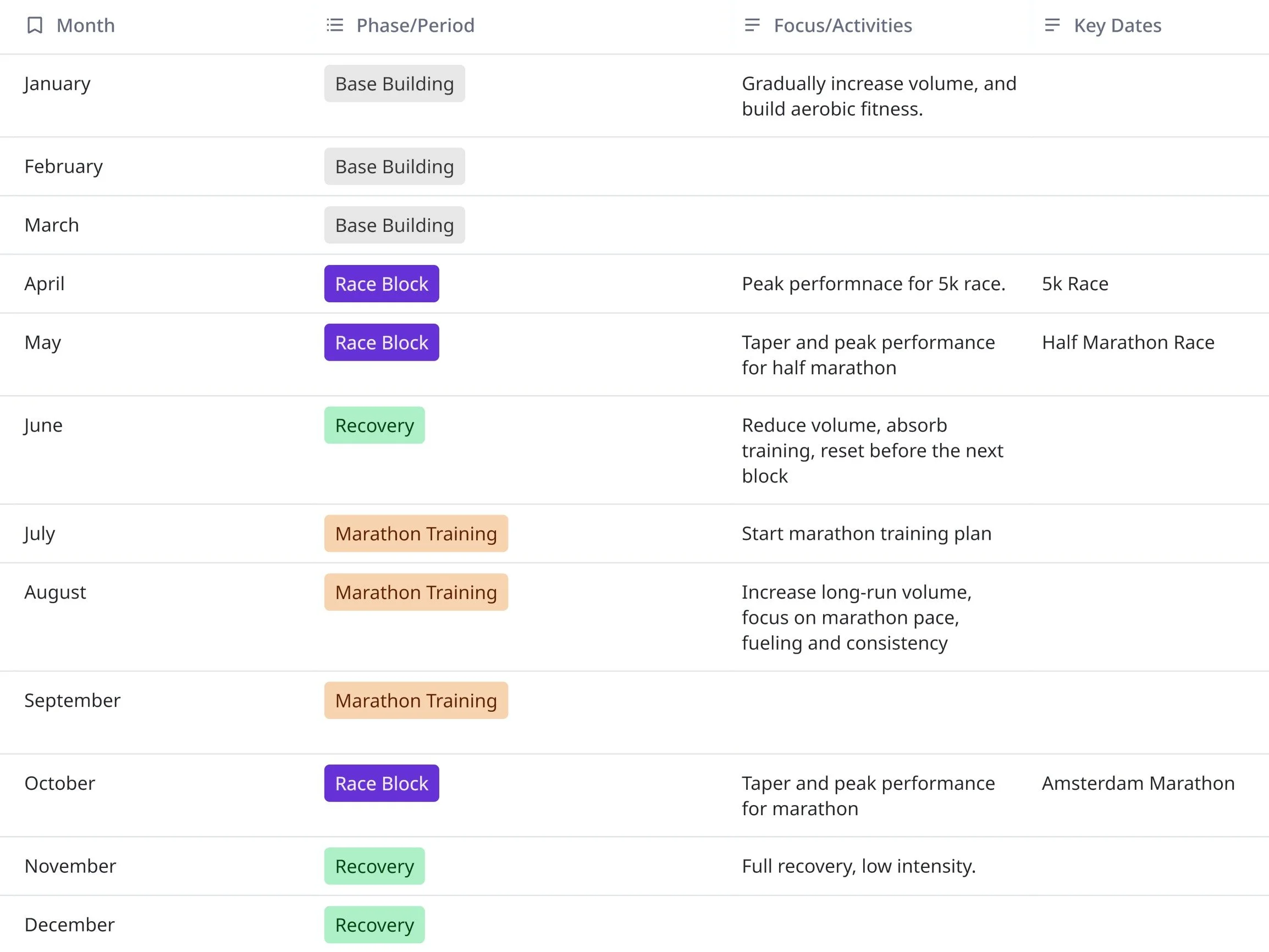
Bob, intermediate runner
Goal: Run a marathon PB at the Amsterdam Marathon in October
Learnings from 2025:
Can run higher mileage for a 16 week block and stay healthy
Benefits from regular strength and mobility work
Benefits from slower recovery runs
Should focus more on improving LT1 instead of LT2
Notes:
Wedding and honeymoon planning
Family holidays
Busy work periods in June and September
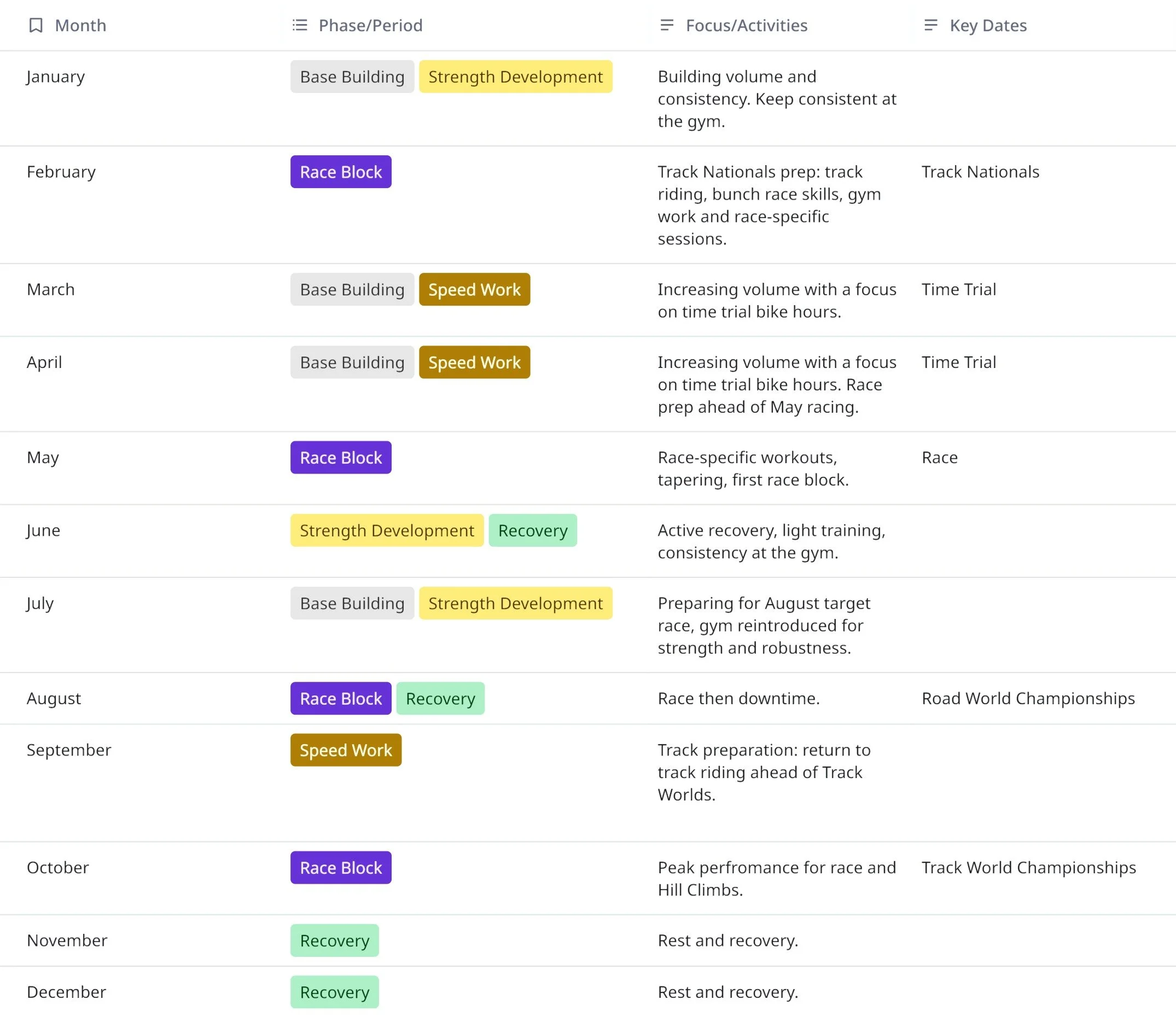
Morgan, professional para-cyclist
Goal: Execute a successful race season May-October, prioritising time trial performance, with Para Road Worlds in Alabama as the key target in August.
Learnings from 2025:
Prioritise proper down time to fully absorb the training
Trust that rest brings my best legs, even when it feels counterintuitive
Focus training more deliberately on time trial position and power through specific sessions
Notes:
Protect time and energy for family and friends, not just training
Plan space for holidays, training camps and new adventures alongside the season
3. Do you know what to do?
Big goals should be a little scary. But leaving your comfort zone means you may not know what you’re getting yourself into. Ask yourself:
How are you going to train?
Where do you lack experience and information?
How will you keep track of your progress?
Who could you turn to for answers?
There’s absolutely no shame in not having all the answers. Knowing is half the battle, so seeking out a coach or someone who can help you get yourself as prepared as possible for the big day is a great first step on your journey.


4. What is your budget?
There’s no way around it - endurance sports can be very expensive these days. Entry to an event can cost anywhere between £5-800 depending on what tickles your fancy! Add to that potential travel and accommodation costs… Not to mention the nutrition, gear and other costs that might rack up during your prep. Make sure you’ve got a clear view of what this project is going to run you and plan accordingly.
5. Who’s on your team?
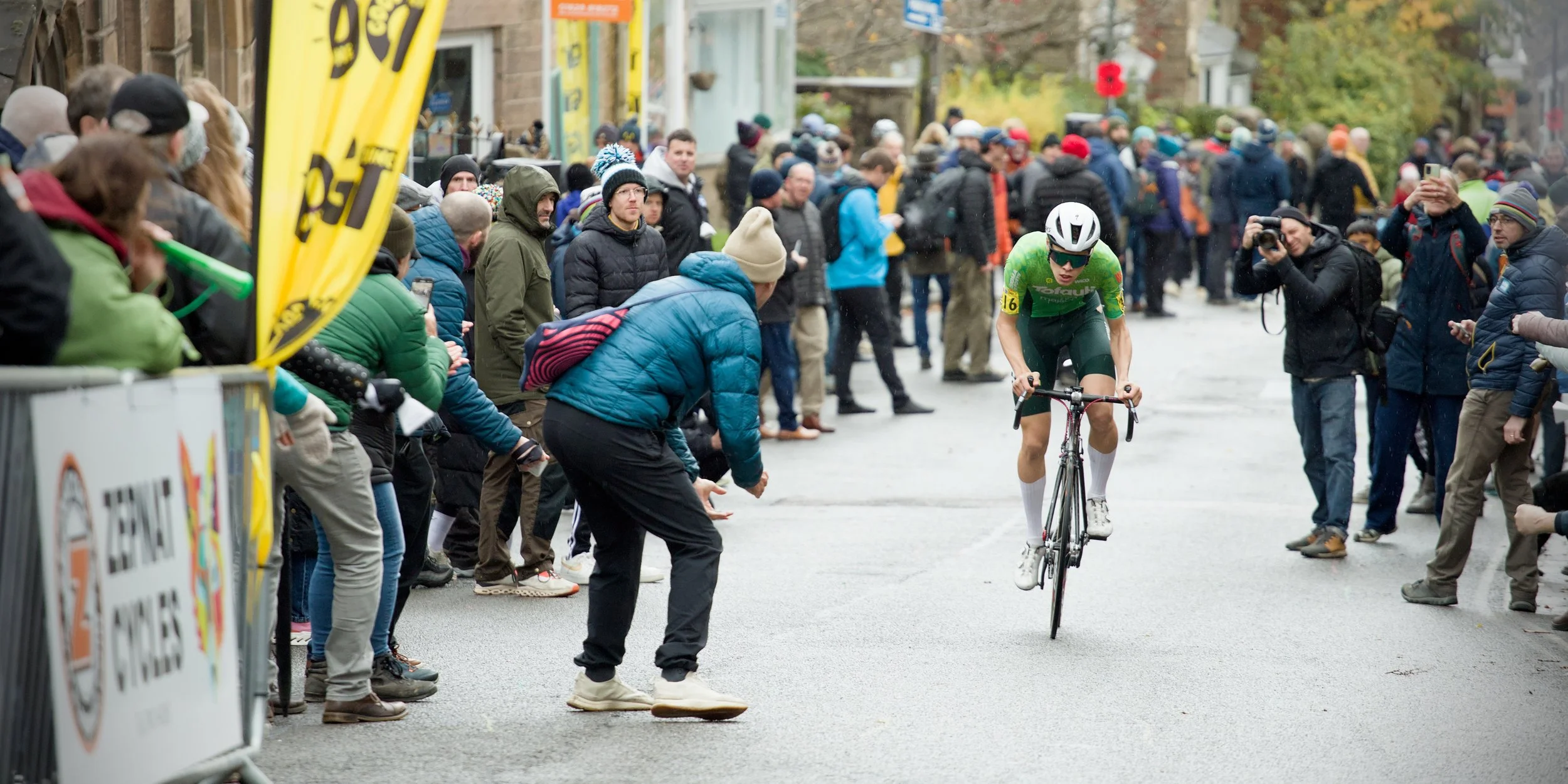
You’ve probably heard the old saying: if you want to go fast, go alone. If you want to go further, go together. In our experience, the single best way to keep you motivated, excited and consistent is to surround yourself with great people. Take a minute to visualise who “your people” are going to be on this journey and how you can keep yourself connected to them throughout. Whether it’s your run club, your cycling club, your coach or your family, keep them close.
Foresight can be particularly elusive when we’re juggling our passion projects with ‘real-life’ responsibilities. We are by no means advocating for locking yourself into a stiff-as-stone plan for a whole year. All good plans include flexibility and adaptability so that, in strong headwinds, they bend without breaking. But by bearing these five points in mind now, you can explore and enjoy your training with just enough focus to have direction. Choose your A race(s), mark the calendar, plan the timeline and find the support you need to execute. Don’t just wander - go somewhere.
So you're eyeing up an ultramarathon. This won't be news to you, but whether it's a 50 miler in the French Alps or a 100km road race, an ultramarathon is a bit of a beast. How do you tame a beast? With patience, consistency, and small victories that compound over time. Ultramarathons are about balancing training with recovery, fuelling smartly, and preparing your mind as much as your body.
It might sound like a lot, but it's more than doable. Our KOTWF endurance coaches have put together this training plan to give you the building blocks to start the race with confidence - and finish it with a smile on our face. Inside you will find:
Flexible structure: make the adventure runs, hill sessions, recovery jogs and taper weeks add up.
Guidance: not sure how to tackle nutrition, recovery and all the kit? We've got you!
Expertise: a lot goes into an ultramarathon. Our experts can help you stay at the top of your game on everything from pacing, mindset and motivation.
This plan will equip you with the tools you need to keep things achievable while preparing you for the unique demands of ultra-distance events. If you'd like to take it a step further, don't hesitate to reach out on info@kotwf.co.uk and ask about strength and conditioning, bespoke coaching and extra support.