
The science of the winter break: How to detrain properly and achieve more next season
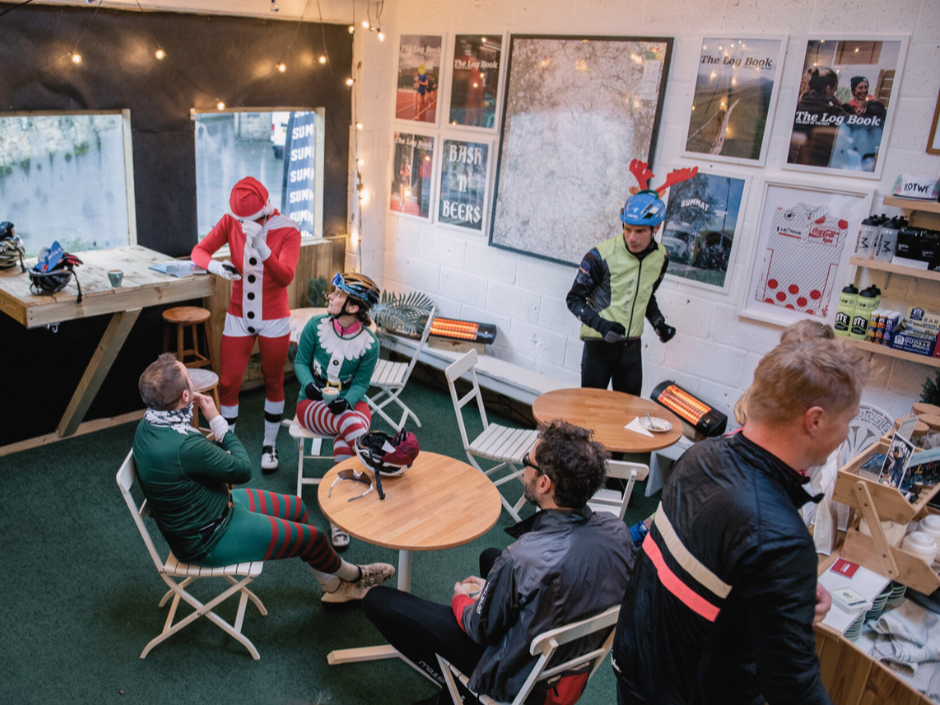
Taking a break can be one of the hardest things to do in endurance sports. In the UK, runners are blessed with a well-established club system that gives them access to a virtually infinite competition and training cycle. From the spring road races to the summer track leagues to the winter cross country championships with a quick pit stop by some indoor track if that scratches the itch, there is always something to get ready for. Cycling and triathlon tend to be equally social in their setup: there’s always someone up for a ride out or a hard brick session not too far away. And that’s a beautiful thing.
But it can also make it very hard to say “no, thanks”. It’s far too easy to just roll onto the next thing without stopping for a break. If anything, there seems to be a pervasive fear of detraining haunting endurance sports. That’s probably due to the fact that it is the exact opposite of training. It means intentionally reducing our training stimulus to slow down or prevent adaptations from happening. God forbid we’re not fit all year round!
For many, the end of the year is actually the perfect time to ease back a touch and just let the body settle. Between the weather, the social commitments and the end-of-year rush at work, December can be pretty stressful for ambitious athletes. Maybe now is a good time to consider a little break. If that sounds like a good idea, let’s take a few minutes to run you through why and how to detrain properly, the benefits it unlocks and how to set yourself up for a step up in the new year.
The physical
First and foremost, it’s important to note that recovery isn’t rocket science – but the science behind it is pretty fascinating. The idea is to rid the body of accumulated and compounded fatigue so that it can focus on making crucial biochemical and biomechanical adaptations to make you better at what you do. It’s during periods of rest that we rebuild the microtears in our muscles, that our mitochondria multiply within our cells and that our hormones have a chance to settle down. In other words, if all we do is keep pushing our body without giving it time to adapt, we don’t actually get fitter.
Hard work and recovery are two sides of the same coin. There’s no point doing one without the other.
So, what does a good recovery break look like? Essentially, it can look one of two ways:
A pause on training altogether
A managed detraining phase where you continue training at lower volumes and intensities
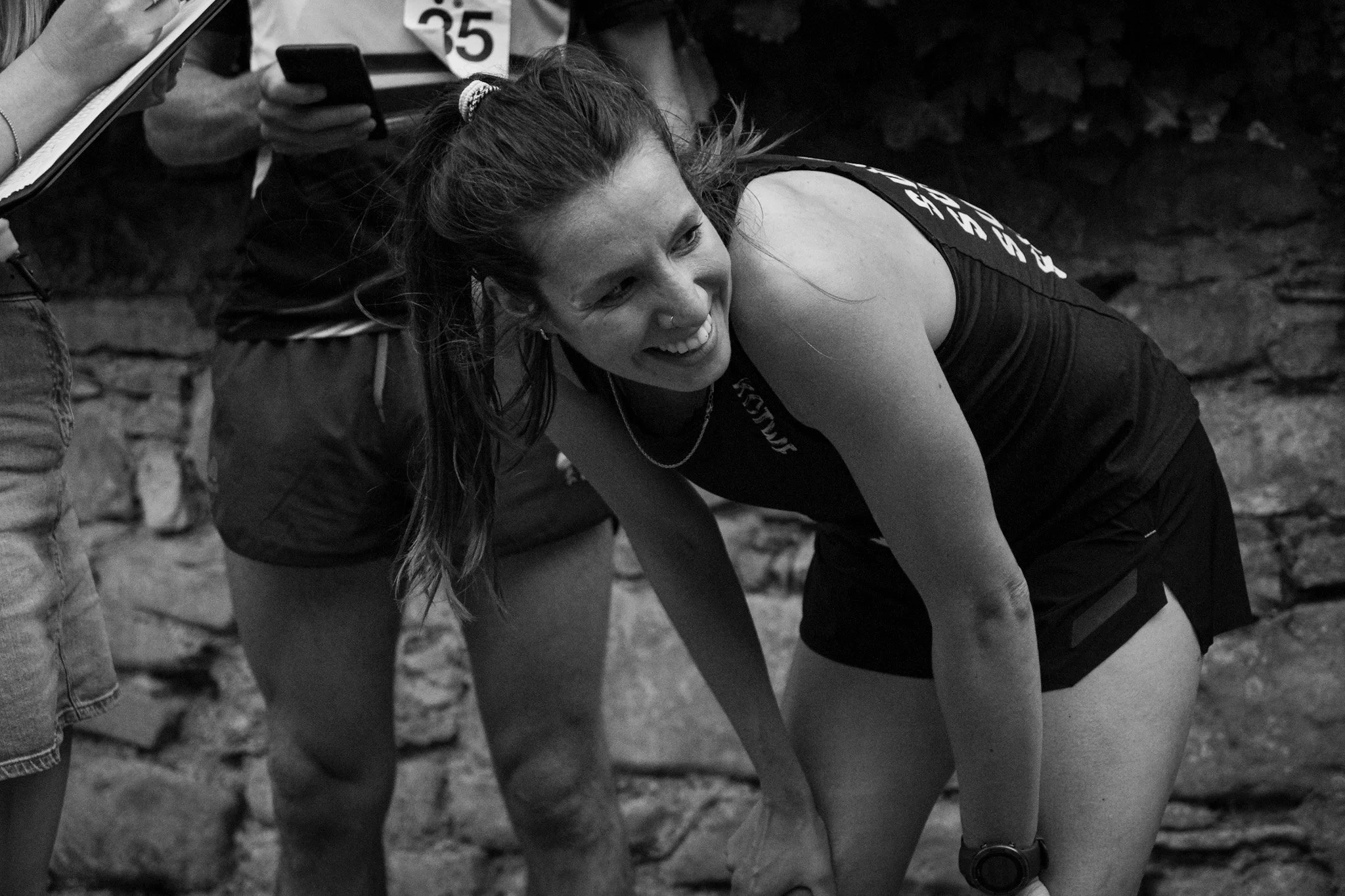
The option you choose will depend vastly on your levels of experience, your ambitions and what you (and your coach) feel you need. Sounds simple, right? Well, it’s not. The blunt truth of the matter is that both options mean losing some fitness – and this can be a hard pill to swallow for most. When we stop training altogether, we start seeing a decline in Vo2 max after about 10 days which becomes significant after 2 to 4 weeks. In runners specifically, studies have shown reductions in Vo2 max of about 6% after 4 weeks, 19% after 9 weeks and 20-25% after 11 weeks. Alongside Vo2 max, athletes will also see a decline in cardiorespiratory capabilities, muscle function and metabolic efficiency. In short, the adaptation processes you trigger with training don’t just stop, they start reversing. As a general trend, the rate of this reversal will vary between athletes – more experienced athletes tend to regress slower than more novice ones.
We hear you: “I didn’t spend this long building my fitness only to let it slip away for no good reason!” But there is a very good reason. Aside from the adaptations we mentioned earlier, the main purpose of detraining is to re-sensitise the body to strain. To put it very simply, endurance training is all about administering a very precise mix of strains to the body in order to trigger certain adaptations. It’s important to keep this dosage relatively varied in type, intensity and duration so that the body keeps responding strongly and in different ways. Over time, however, the body becomes desensitised to these strains and therefore less prone to making those crucial adaptations.
You’ve probably felt this firsthand. If you’re an experienced runner, a nice easy 5km run won’t really phase you. Your body won’t give you much grief the next day. But if you haven’t been to the gym in months and you put yourself through a few sets of weighted squats, odds are you’ll feel every one of them in the days following. A sensible break is all about taking enough steps backwards that your body starts making those all-important adaptations again – and launch into the next level of fitness in good time.
A controlled fall
You’ve probably gathered by now that we’re talking about a pretty precise process. Completely halting your training for up to a week is not a bad idea, but any longer and you might set yourself further back than you’d like. However, keep training through without any rest and you’re heading straight for a plateau in the best case scenario. Worst case scenario, that plateau could turn into overuse injuries, burnout and Overtraining Syndrome - all of which are seriously detrimental to performance, health and progression. So, proper detraining comes down to finding the ‘goldilocks’ number.
Think of it like tempering chocolate. If the room is too hot, your chocolate will melt and won’t solidify; too cold, and you won’t get the texture right either. To get that smooth, glossy and ‘snappy’ chocolate, you need exactly the right temperature. One study on elite swimmers suggests this ‘tempering number’ may hover around the 4-5% – that is, athletes who detrained by about 4-5% from where they were in the main season saw the most progress in the subsequent season. Hitting this number (or close enough to it) can be hard as it means reducing the overall training load. This can be done by reducing intensity, lowering training volumes or a bit of both over an extended period of several weeks. In essence, athletes have a few dials to tweak - but which ones do they turn? And by how much?
This is where bespoke coaching and an elite sports coach can add tremendous value. A coach can be like a skydiving instructor: with them on your back, your skydive becomes a controlled fall towards a set target. Without them, there’s a real risk of opening the parachute too late and ending up miles from where you want to be.
The mental
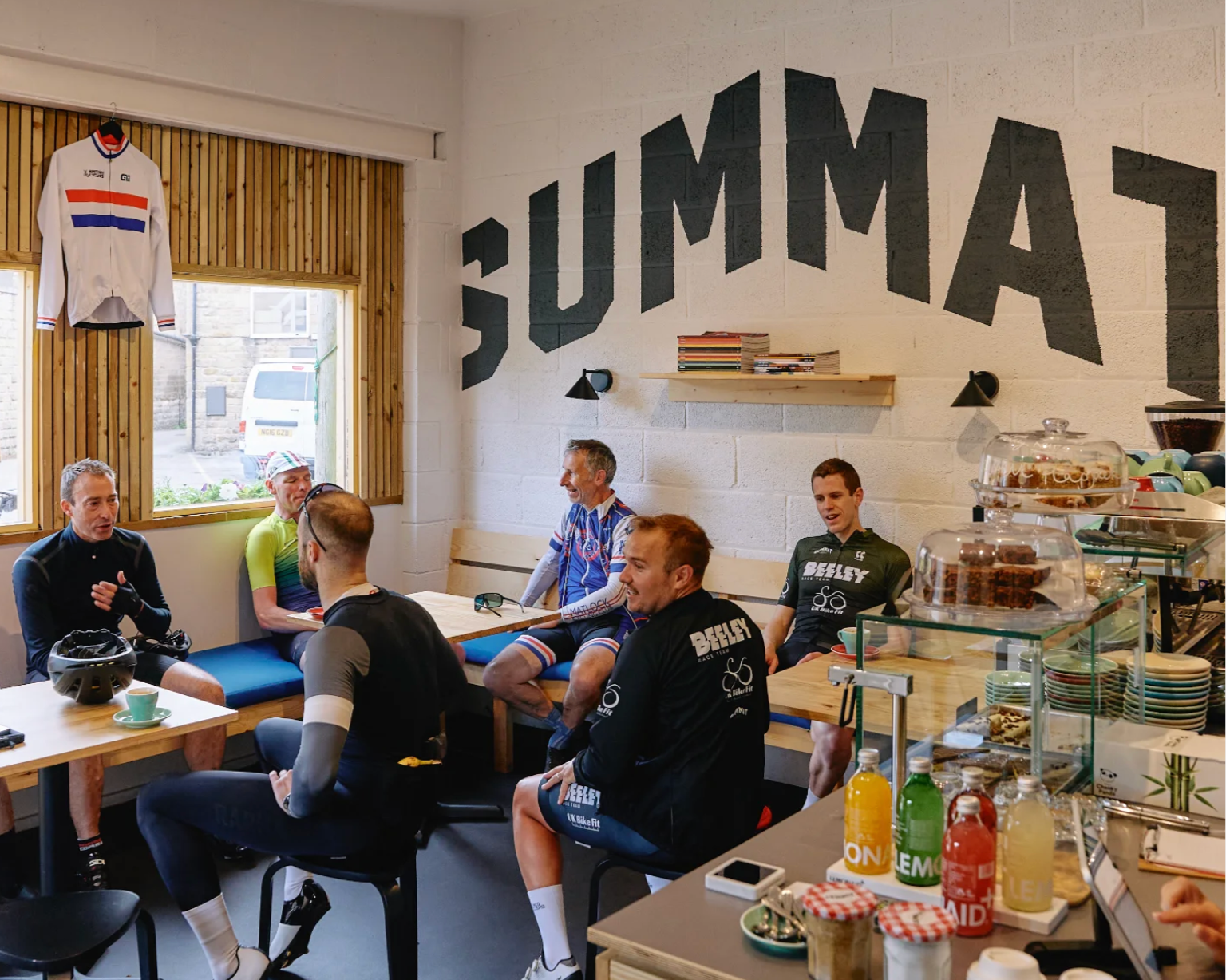
Training and racing is exhausting, especially when it has to fit neatly into a full-time job, a family and social responsibilities. It can be hard to balance everything all the time. As the weather turns cold, wet and dull out there, it can feel more and more like a chore than a treat. This is perfectly natural and a good reminder that endurance sport is just as much about the mind as it is about the body.
Taking a break from the training routine (especially a demanding one) can have very positive impacts and refresh our mind. In the long run, this can prevent burnout and help us re-discover motivation and joy in the pursuit. It could also help reduce stress, boost your mood and reset your brain so that you can return to training with a clearer mind. In other words, it’s good to let ourselves miss the training and get hungry for it again, so that we genuinely enjoy getting back to it.
However, it’s also true that training and racing is a way to blow off steam for many of us, so taking it away for too long can be detrimental. As pointed out by the famous Steve Magness, it's about finding the sweet spot between “I needed this” and “I feel lost”.
Just like with the physical side of detraining, our advice wouldn’t be to fully indulge in laziness and disconnect completely from sport. Again, it’s about tempering. Why not focus on the little habits that build great athletic foundations? Nutrition, sleep hygiene, stretching, foam rolling and plenty of other ‘smaller bits’ can easily fall to the wayside amidst the pressures of training. Tempering your training can be a golden opportunity to reconnect with these habits and set good foundations for the season ahead so that they form a more central part of the bigger picture.
The future
Detraining, the “off season” or whatever we want to call it can seem off-putting, but take it from us: when done right, it’s absolutely crucial to sustainable growth. With a fresh body and a clear mind, anything is possible.
The timing couldn’t be better. Tempering now could line you up for the best races of your life in 2026. Whether you’re targeting your first marathon, your first ultra or looking to take your competitive season to the next level, ask yourself the question: could I squeeze in some recovery in the next month?
If so, we’d love to help. Why not reach out to one of our KOTWF expert coaches for a chat?


So you're eyeing up an ultramarathon. This won't be news to you, but whether it's a 50 miler in the French Alps or a 100km road race, an ultramarathon is a bit of a beast. How do you tame a beast? With patience, consistency, and small victories that compound over time. Ultramarathons are about balancing training with recovery, fuelling smartly, and preparing your mind as much as your body.
It might sound like a lot, but it's more than doable. Our KOTWF endurance coaches have put together this training plan to give you the building blocks to start the race with confidence - and finish it with a smile on our face. Inside you will find:
Flexible structure: make the adventure runs, hill sessions, recovery jogs and taper weeks add up.
Guidance: not sure how to tackle nutrition, recovery and all the kit? We've got you!
Expertise: a lot goes into an ultramarathon. Our experts can help you stay at the top of your game on everything from pacing, mindset and motivation.
This plan will equip you with the tools you need to keep things achievable while preparing you for the unique demands of ultra-distance events. If you'd like to take it a step further, don't hesitate to reach out on info@kotwf.co.uk and ask about strength and conditioning, bespoke coaching and extra support.