
Handle the heat, stay in the kitchen: KOTWF explains heat training for endurance athletes
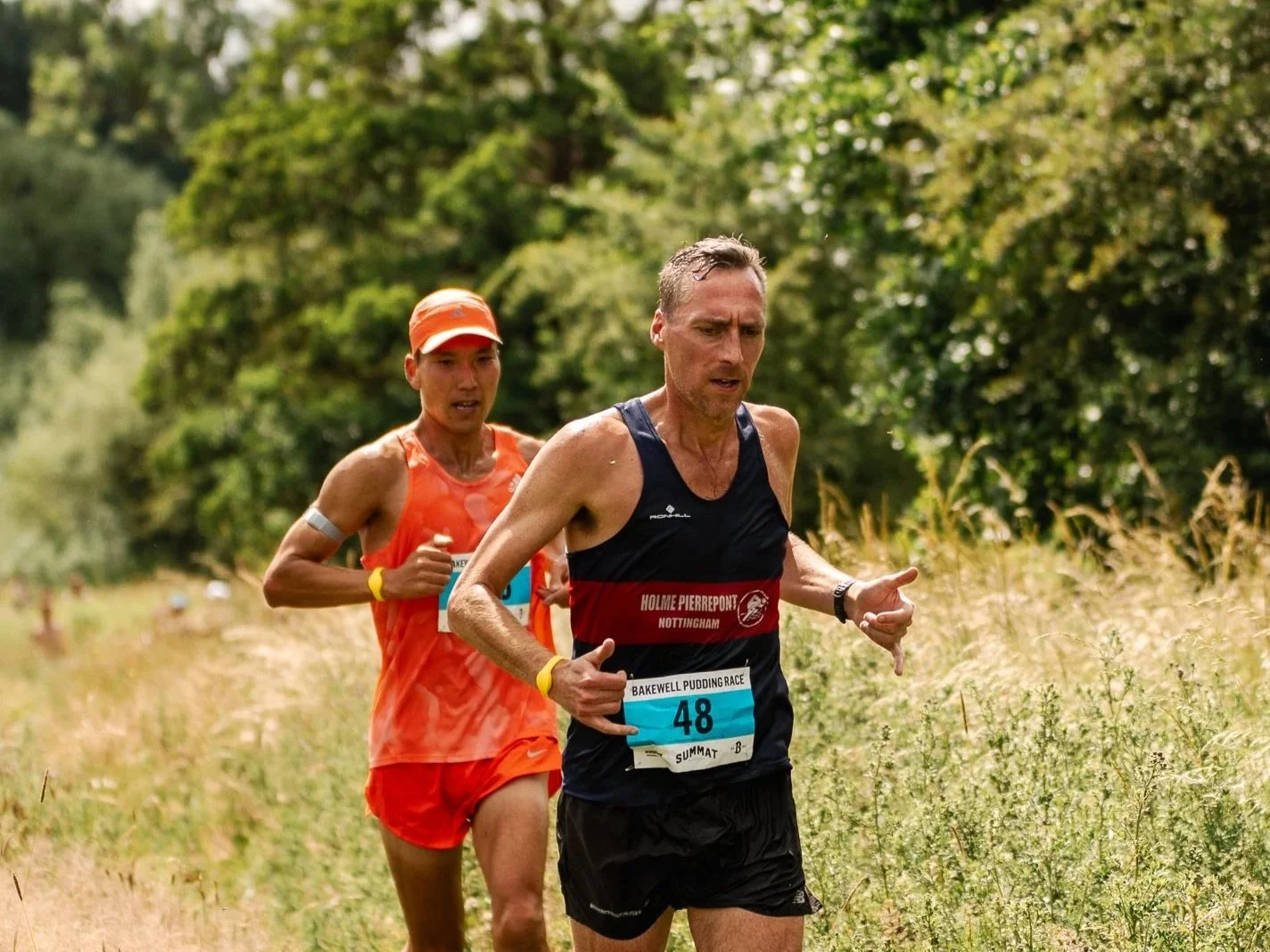
Heat can significantly affect performance and physiology in endurance sports – for better and for worse. In this article, KOTWF explains the impacts of heat, how to minimise the bad ones, and how to make the benefits work for you.
As mammals, we enjoy the luxury of homeostasis. In normal conditions, our bodies work hard to maintain a stable core temperature of around 37 degrees Celsius without us having to consciously do anything. This is mainly due to our having hot blood (suck it, reptiles!) which we can draw to specific parts of our bodies when they get cold. However, we get hot when we run, cycle and swim. Even on a very cold winter day, a decent run will get you sweaty in no time. Does homeostasis just go out the window when we train and race? Nope! Let us explain.
To generate the required muscular power to move fast over long periods of time, our body has to increase its metabolic rate by 5 to 15 times its resting rate. One of the most significant byproducts of this boost in metabolic output is heat. So, when our homeostasis-loving bodies notice this excess heat accumulating, it quickly tries to shift it in an attempt to keep its core temperature nice and stable. It’s at that point that we get flushed, red all over and start sweating.
Through a process called vasodilation, our body can widen the blood vessels in and around our skin to draw more blood there. Once it’s within easy reach of our pores and exposed skin, that heat can then be transported to the surface through sweat, where it can evaporate into the air. It’s a pretty simple process, but it’s highly effective; 80% of excess metabolic heat is removed from the body by evaporating sweat.
All of this happens independently from outside conditions. Our body creates this heat even in cold conditions. So, what if we add high external temperatures to the mix? The UK – like Europe and the rest of the world – has seen a relentless series of heat waves already this summer. And it looks like there might be a few more on the way… So, let’s look at how heat can impact the basic physiology of endurance sports, and how to minimise the negative impacts on performance while capitalising on the benefits.
What happens to the body when we train in high temperatures?

At the risk of stating the painfully obvious, when that increased internal heat meets high external temperatures, you get very hot, very quickly – especially during high-intensity efforts like races or intervals. And that can lead to a few key problems that can affect not only our performance, but also our health in extreme cases.
Dehydration
We only need a few key ingredients to create sweat: water, salt and other minerals in trace amounts. So, when we exercise in heat, our body raids our water stores. Sweat is 99% water, so, over time, our body simply runs out of fluids and dries up.
But that’s only part of the dehydration problem. Another is the draining of essential minerals like sodium, potassium, calcium, and magnesium. These are called electrolytes because they carry an electrical charge when dissolved. This helps send electrical signals through our nervous systems and regulate muscle contractions. In other words, they are absolutely key to our motor control, amongst other things. So, when we sweat profusely for long periods of time without replenishing our electrolytes, we can succumb to wobbly limbs, shaking, weakness and, in extreme cases, much more unpleasant symptoms.
Finally, if the lack of water and electrolytes wasn’t enough, our body also burns through its glycogen stores about 25% faster in hot environments than in cooler ones, which means we run out of fuel significantly faster. A handy rule of thumb is remember that when you train in the heat, you’re running out of everything you need much faster than usual.
Cardiovascular strain
The second problem is basically caused by the competing demand for blood. As we explained, sweating relies on vasodilation – a lot of it. When vasodilation reaches its maximum levels, skin blood flow can reach 7 to 8 liters per minute. However, during exercise, our muscles also desperately need blood to fire properly. In high temperatures, our heart has to distribute blood to the skin as well as to its muscles, and this gets considerably more complicated as the intensity ramps up.
To cope with these competing demands, the heart compensates by working much harder and faster. And that strain tires it out. Athletes with well-conditioned cardiovascular systems will be affected by this less than your average person, but during high-intensity exercise in the heat, the heart may produce 1.2 liters per minute less of blood than normal because of cardiovascular strain. In other words, the heart can work much harder to still fail to produce enough blood for everyone. That’s bad news.
Stress
Believe it or not, but exercising in high temperatures also impacts hormone levels. To be specific, it causes a higher stress hormone response than efforts in cooler conditions. Long efforts in heat can lead to higher plasma concentrations of epinephrine in the blood which would indicate greater stress in the body’s sympathetic nervous system. That’s the one that handles the ‘automatic’ jobs like making your heart beat, making you breathe, digesting your food, etc. So, stressing this system typically means our resting heart rate is a bit higher than when rested, we might be out of breath quicker, and our gut might not be working at its best.
In light of all this, it’s not surprising to see major sports events review their race distances or even cancel proceedings altogether. Ironman Frankfurt, which hosted the European Ironman Championships again this year, controversially reduced its bike and run legs in June, while Ironman Nice cancelled both its full and 70.3 competitions due to high temperatures. The men’s Tour de France also raised serious questions around rider health and safety in the wake of soaring heat, leading some pundits to suggest rescheduling the iconic event to a different time of year.
But the effects of heat aren’t just felt in endurance sports. During the Qatar GP, several F1 drivers reported feeling unwell and dehydrated in brutal conditions. Cockpit temperatures reached around 50 degrees Celsius and the evening humidity was extremely high. Our very own Sam Village spoke on the Sky Sports F1 podcast about the challenges of racing in extreme heat and why the sport should avoid repeats of the Qatar GP.
How can I avoid the negative impacts of heat on performance?
At this point, it’s important to note that not everyone is affected by heat in the same way or to the same extent. Some of that is due to genetic predispositions and factors like age, body weight and fitness levels, but there are other ways we can actively reduce the effect of heat on our system.
Adaptation
You can train your body to become better and more efficient at the things it does to cool you down in the heat. How? Through regular and consistent exposure, like almost all other training. Sauna sessions, hot training camps and heat chamber training are great ways to get acclimated to heat. Depending on the exact conditions and methods of exposure, the human body can display positive signs of acclimatisation in as few as 5-10 days.
Hydration
We saw that exercising in high heat quickly depletes our body’s water and electrolyte reserves, so it’s important to replenish both regularly while exercising. Whether you’re cycling, running or lifting in the heat, make sure you have easy access to water, carbs and electrolytes so that you can take regular sips throughout your session.
Sensibility
As always, apply your common sense. Avoid high-intensity training sessions when it’s very hot outside, or at least reduce the volume of your session so that you don’t risk turning what should be a positive and constructive outing into a dark spot in your training block. Bear in mind the risk:reward ratio and ask yourself honestly: am I standing to gain more from this session than I stand losing to the heat?
Does heat training improve performance?
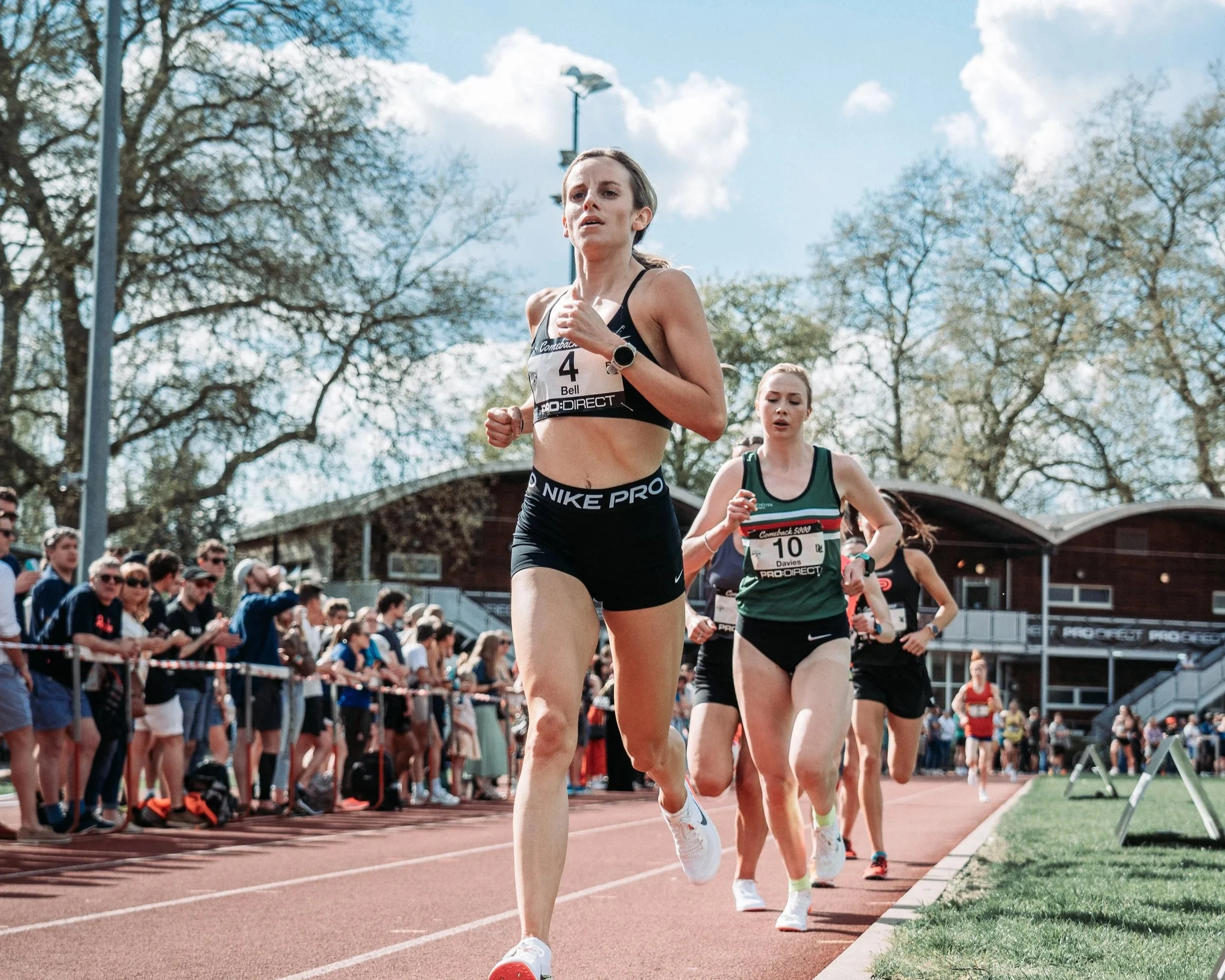
You may have seen your favourite athletes doing heat training. Some are running in a full-body plastic suit, others are riding the indoor training in full winter kit with the heating on full blast, and others still are jumping in the sauna straight after a session with no water for an extended period of time. Heat training is so hot right now because, when done right, it can actually generate some very appealing adaptations:
A stronger heart
As we explained earlier, training in heat puts your heart under higher strain. When we expose it to this higher strain consistently and gradually increase the duration, we can train it to be more efficient at lower temperatures. Typical responses following heat acclimation include lower heart rate, better sustainment and/or elevation of stroke volume and improvement in ventricular filling. Basically, when our heart is acclimated to working hard in high temperatures, it doesn't have to beat as fast to deliver the same cardiac output in cooler environments.
Enhanced thermoregulation
Heat-acclimated athletes cool themselves more efficiently. Not only do they sweat more, their sweat contains less sodium than non-acclimated athletes. So, their body loses fewer electrolytes while still shifting excess heat. In theory, this delays hyperthermia and means they slow the accumulation of fatigue in their system.
More blood
This one tends to happen very quickly after only a few exposures. Heat acclimation often expands the volume of plasma in our blood. That should, on paper, help compensate for the reduced cardiac output we experience at high intensities in hot conditions – there is simply more to go around. When it comes to the ‘quality’ of that blood, however, things are less clear. Researchers have investigated whether heat training stimulates genuine blood-cell adaptations in the same way as hypoxia (like in altitude training). But the jury is still out. If significant increases in red blood cell mass and haemoglobin do occur as a result of heat acclimatisation, they likely require considerably longer exposure.
All of this could make you a better athlete, but it’s important to note that these adaptations could be short-lived. According to research, heat acclimation benefits can be lost over time without continued repeated heat exposure. Some studies have suggested that athletes can lose roughly 1 day worth of acclimatisation gains for every 2 days lacking heat stress exposure.
Also, while there is clear evidence that heat acclimatisation boosts performance in hot environments, it's not quite as clear cut when it comes to the question of whether it acts as a general ‘fitness booster’ in cooler conditions. There just isn’t enough evidence to answer definitively either way at this point.
How can I start heat training?
Now that you understand the potential risks and benefits of heat strain, you might want to give it a go yourself. Before you do, it is absolutely crucial that you consult a doctor to ensure you are healthy and able to take on this additional strain safely! Assuming everything is clear, you may also want to buy something like the CORE sensor which accurately tracks your core temperature in real time (the non-invasive way). This allows you to eliminate the guesswork and actually build on reliable data to track and progress your heat training accurately.
You can structure heat training into your schedule in blocks to build foundational fitness, or you can do it closer to key races to make sure you train with specificity. But before you even worry about that, you should know what actually makes a session a ‘heat session’. It comes down to a few things:
High core temperature: you should be training in a hotter environment than you’re used to. Ideally, you’d be doing your training in a room that is reliably over 30 degrees Celsius. You can use heating or lots of layers of clothing to simulate this, if necessary. Typically speaking, athletes target a core body temperature of 38.5 to 39 degrees Celsius.
High sweat rate: you’re not looking for little beads of sweat on your forehead, chest and back. You want sweat to be pouring off every limb during these sessions, as this is a sign that your body is getting better at covering your entire body in sweat to cool it.
Duration: there is little point putting yourself through this for a few minutes at a time as it won’t put enough stress on your thermoregulatory system to force adaptations. Typically, athletes would target 45-60mins per session, but very well acclimated athletes can push that to 75mins.
Intensity: as we explained, pushing the intensity too high in the heat will likely end in either a very unpleasant experience, a premature end to the session, or a health risk. So, try and cap the intensity of your heat session to 75-80% of your max heart rate. This should put you in the right zone while avoiding the danger zone. Obviously, as conditions heat up or down, that ceiling should adapt, too.
So, once you’ve decided how and where you’re going to do your heat sessions, you can start thinking about when. Ideally, you would start with a foundational aerobic fitness block to make sure you’re actually fit enough to get something out of the heat training protocol. Then, you can start with a block of 2-5 weeks early in the season. This can then be supplemented with shorter, more targeted 5-10 day blocks leading up to key races. Between these blocks, 1-2 ‘maintenance’ heat sessions per week should ensure you don’t lose the adaptations between blocks without overdoing it in terms of fatigue buildup. Check out this case study by Precision Fuel & Hydration for more info!
KOTWF top tips:
To wrap up, here are our key takeaways for you:
Don’t fear the heat, but respect it: there is no reason to avoid heat altogether. Regular and sensible exposure to heat could help you level up this summer, but it’s important to be sensible. Consider your training volume, minimising high-intensity work and paying extra close attention to your RPE. But why not have a go at doing heat training properly this year? Could be fun!
Hydration is key: drink, drink, drink! Before, during and after your training. Not only could dehydration limit your performance, it could slow your recovery and even put your health at risk. Drink and make sure you get your electrolytes in!
Be flexible: heat is like any other meteorological condition. You can’t control it, so you’d better work with or around it. Allow yourself to be flexible with your training programme and put your safety and wellbeing first at all times. Remember, it’s supposed to be fun.
If you would like to find out more about how to train in the heat, or if you’d like to make heat training a regular part of your training regime, why not have a chat with one of our coaches? They’d love to help you programme, fine tune and implement whatever you need to help you achieve more.


So you're eyeing up an ultramarathon. This won't be news to you, but whether it's a 50 miler in the French Alps or a 100km road race, an ultramarathon is a bit of a beast. How do you tame a beast? With patience, consistency, and small victories that compound over time. Ultramarathons are about balancing training with recovery, fuelling smartly, and preparing your mind as much as your body.
It might sound like a lot, but it's more than doable. Our KOTWF endurance coaches have put together this training plan to give you the building blocks to start the race with confidence - and finish it with a smile on our face. Inside you will find:
Flexible structure: make the adventure runs, hill sessions, recovery jogs and taper weeks add up.
Guidance: not sure how to tackle nutrition, recovery and all the kit? We've got you!
Expertise: a lot goes into an ultramarathon. Our experts can help you stay at the top of your game on everything from pacing, mindset and motivation.
This plan will equip you with the tools you need to keep things achievable while preparing you for the unique demands of ultra-distance events. If you'd like to take it a step further, don't hesitate to reach out on info@kotwf.co.uk and ask about strength and conditioning, bespoke coaching and extra support.