

Nutrition is central to performance on race day, in training or in daily life. In this article, KOTWF explains the importance of a balanced diet in endurance sport, how to tackle race day nutrition, what high-fat fueling entails, and provides three takeaways for endurance athletes looking to boost their nutrition.
We strongly believe that performance is the ultimate manifestation of wellbeing. And food is a cornerstone of wellbeing. Simple as that. Without the right nutritional input, the body cannot function and produce hard efforts – let alone sustain them – and it cannot recover from the effort afterwards. Physical performance starts with fitness, and fitness starts with good nutrition.
Sounds very simple, but it’s a topic that still seems to mystify and confuse many of us. With a booming sports nutrition industry comes an avalanche of advertising, research and social media content; all of which can easily lead to information overload. On top of that, amateur athletes have to balance training with work, family, and everything else life demands. It’s no wonder nutrition doesn’t always take its rightful place at the top of the priority list.Together, let’s run through some of the most common questions we get around nutrition so that we can explain the basics for endurance athletes, and look at how you can make your nutrition work for you day-to-day, not just on race week.
What should endurance athletes eat?

Endurance athletes thrive on a healthy, balanced diet that provides their bodies with plenty of macronutrients and a good variety of micronutrients. It is crucial they get enough proteins, carbohydrates and fats, and within that, plenty of iron, magnesium, vitamins and minerals.
In endurance sports, however, carbohydrates (or carbs) tend to take the spotlight over the other macronutrients. Endurance training depletes glycogen — the stored form of carbohydrate in muscles and the liver that fuels sustained effort — session after session. If that store isn't consistently replenished, athletes end up training in a persistent state of fatigue, sometimes without even realising it. We’ve already touched on the importance of glycogen availability, but it’s worth repeating that any endurance training should be built on appropriate enough daily carbohydrate intake. Depending on the individual, that can range from 7-12g/kg of body mass. That's a deliberately wide range that is more catered towards those logging big volumes. It follows that a light training week calls for the lower end, while a heavy block of long runs or rides pushes you toward the top.
But just because carbs are essential doesn’t mean we can neglect the other macros. Protein plays a key role in a number of key metabolic processes, the most important arguably being recovery. Endurance athletes have long aimed for a daily dietary protein intake of around 1.5g/kg of body mass, but recent research suggests nudging that up to roughly 1.8g/kg could be beneficial, especially on rest days. This is also critical in the hour after a race. Protein works in partnership with carbs, not against them. Taking in 20–40g of protein every three to four hours can help stimulate muscle protein synthesis and support repair, but pairing it with carbohydrates can enhance glycogen storage by stimulating a stronger insulin response than carbs alone. Essentially, the synergy between protein and carbs accelerates the uptake of glucose into muscle cells, promoting muscle tissue repair and supporting the back-to-back training sessions most endurance athletes negotiate week after week.
A genuinely balanced diet for an endurance athlete must also include a good amount of fat. Guidelines recommend somewhere around 20-35% of total energy intake should come from fat - that equates to somewhere between 1-1.5g/kg of body mass for most people. This isn’t just to provide the body with energy. Fat helps the body absorb fat-soluble vitamins including vitamins A, D, E, and K, boosting micronutrient intake as well.
Overall, it’s important not to get too hung up on these numbers. The most important thing is to eat enough. Chronic under-fuelling — consistently eating too little to sustain your training load and recover well — is one of the most common and most damaging mistakes amateur athletes make. In the best case scenario it leads to poor recovery and plateaued performance. In the worst case scenario, it can increase injury risk and lead to serious illness. The goal of everyday nutrition isn't perfection; it's giving your body what it needs to train, recover and adapt day after day.
How can I fuel on race day for a good performance?
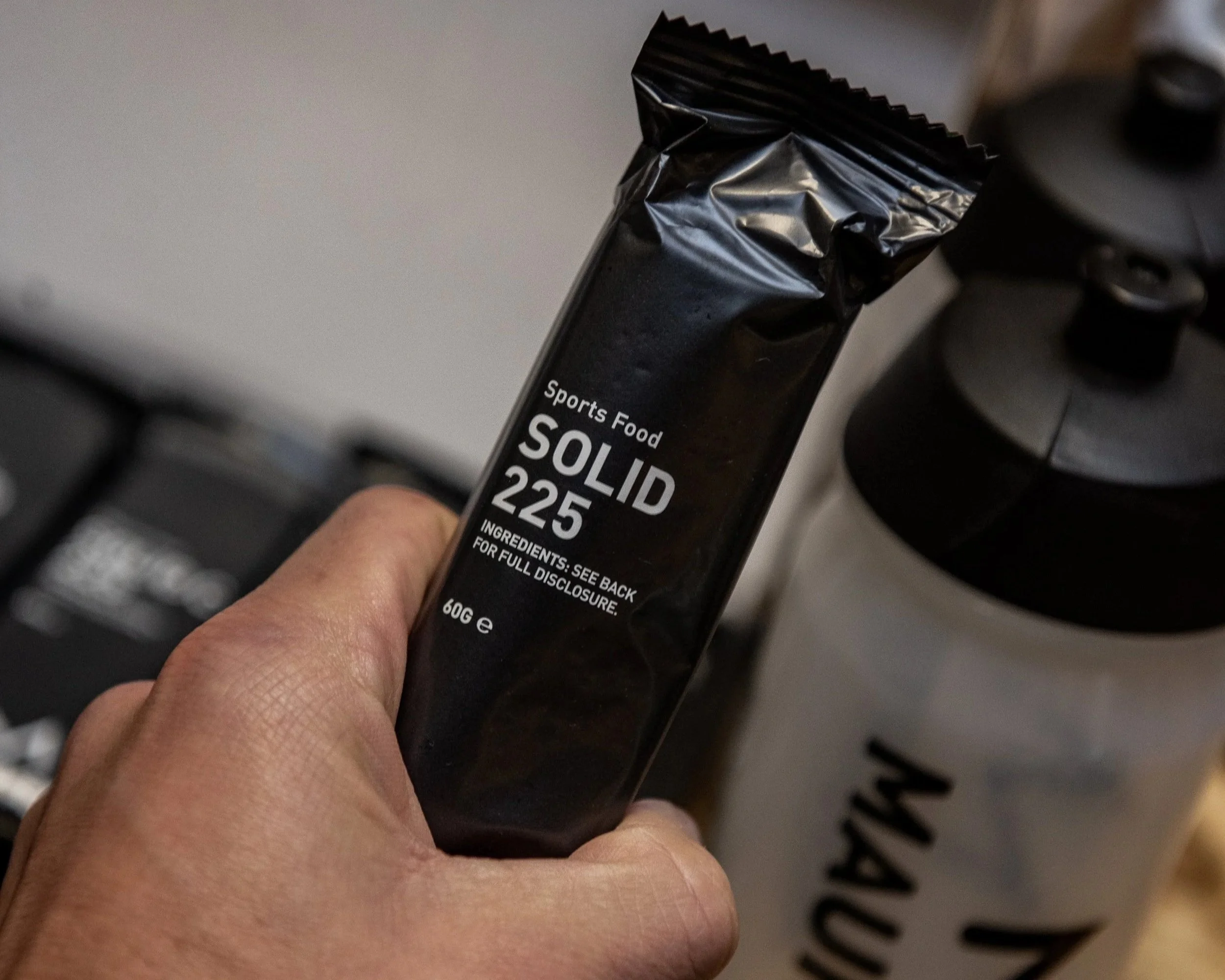
Race-day fueling is about providing the body with plenty of fuel without causing gastrointestinal (GI) distress. The goal is to stay away from both the bonk and the loo.
That starts with a balanced diet and a good carb-heavy breakfast, but that will only get you so far. Odds are that most of us know the feeling of fading in a race that should have gone well but didn't. The legs were rested, the weather was fine, the training block was solid — and yet we fell apart somewhere on the way to the finish line. In some extreme cases, we collapse completely and need to be carried off the course (the infamous bonk). Most of the time, we just go home a bit bummed out. More often than not, fitness isn’t the issue in those cases. It’s under-fuelling.
The body can only store a limited amount of glycogen, and those stores run out. At around the 90min mark – depending on the individual and the intensity of the effort – our body needs to rely on additional glycogen input to keep producing the same effort. This is why marathon runners, cyclists and triathletes are never far from their energy gels, bars and bottles. Sports nutrition is a booming industry these days, and there are plenty of brands producing their own products. But whether you buy Science in Sports, OTE, Maurten or something else, most products are made up of a mix of fructose and maltodextrin in different ratios. These products are designed to maximise absorption and minimise impact on the gut so as to boost performance - not hinder it.
The practical advice for amateurs has long been to aim for 60-90g of carbs per hour of effort, but endurance sports has seen those numbers skyrocket to 120g and even close to 200g amongst the professional ranks. This is definitely not advisable for most of us, and it’s not a case of “more is always better”. If anything, endurance athletes tend to overestimate the amount of fuel they take onboard and underfuel for their events, according to a recent study. This could be because of a fear of GI issues, which remains the leading cause of DNFs (Did Not Finish) in amateur endurance events.
So, we need to talk about an often overlooked point: gut training. Nothing should be a surprise or an unknown on race day. From your kit to your nutrition, you should know exactly what you’re using and how you’re using it. And guess what? Just like muscles and the cardio system, the gut responds to training. Start conservative, increase gradually, practice consistently, and log what you learn. Whatever you decide to do on race day should have been rehearsed on long training days, ideally at the pace and intensity you expect to race at.
The key point to take away from all of this, is that there is no such thing as objectively ideal nutrition. The volume and frequency of carb intake is very individual, and it depends on many factors pertaining to the nature of the event, and the athletes themselves. Dr Wallis at The University of Birmingham, for example, can help athletes determine the rate at which they burn through carbs with his fuelsync test. So, athletes should experiment, learn and stick to whatever fuel and strategy works best for them.
Is fueling with fat better than fueling with carbs in endurance sports?
At first glance, it might seem that way. As we said above, glycogen stores run out after a while. That’s because we store our glycogen in our muscles and liver. Fat stores, however, are far larger than carbohydrate stores and, therefore, a much greater reserve of potential energy. So, why don’t we use fat as our predominant source of fuel?
First, because this isn’t very easy to do. Dr Dan Plews is a Senior Research Officer at AUT University in New Zealand, coach to some of the world’s best endurance athletes, and a phenomenal amateur himself. He is also a well-known voice in the high-fat vs high-carb conversation. His approach is to ‘rewire’ the metabolism to use fat stores as its primary source of fuel and only tap into carbs occasionally in higher intensity zones. This requires sticking to a ketogenic diet which typically restricts carbohydrate intake to somewhere under 50g per day while dramatically increasing dietary fat. Sustaining that shift long enough should, in theory, force the body to change how it produces energy at the cellular level.
That sounds fantastic on paper. For back-of-pack marathoners, long-course triathletes, or ultra-runners spending many hours on the race course, the idea of not being held to a rigid carb supplementation strategy — and avoiding the potential GI distress that comes with it — is a major appeal.
However, the second reason why more people don’t do this is because there isn’t a clear consensus on how impactful this is on performance.
The body finds it easier to use fat as fuel at low intensity effort, but fat takes around 8% more oxygen to produce the same energy as carbs. So, the problems show up once effort climbs and economy decreases. If your goal is a fast marathon rather than simply finishing one, high-fat fuelling may not be the strategy for you.
How can I improve my nutrition?
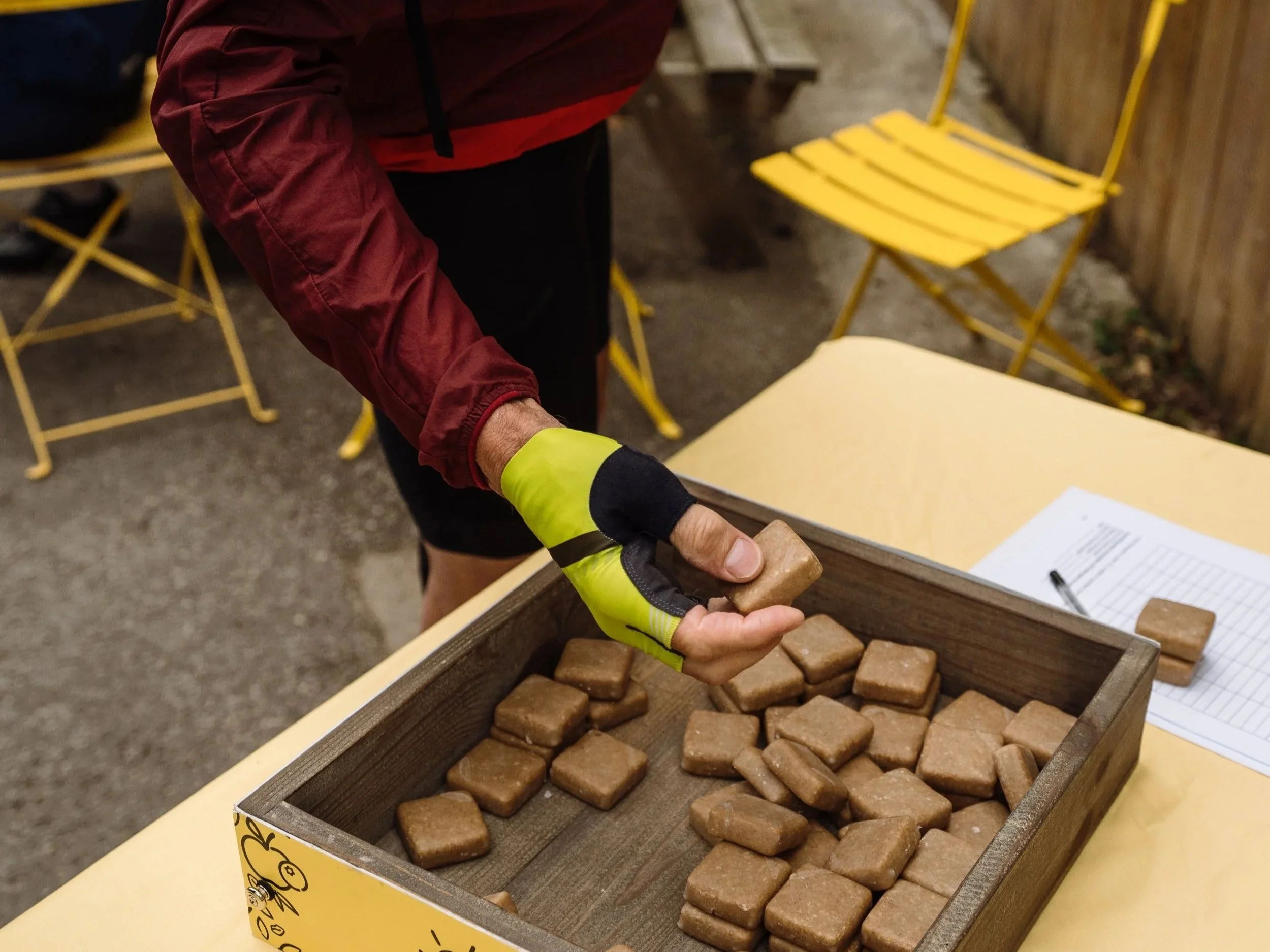
The good news is that you don't need to overhaul your entire diet overnight to enhance your sports nutrition. Small, consistent changes will compound over the course of a few months and have a significant impact on your performance and recovery. Here are a few ways you can get started today:
Stop assuming: Track what you actually eat on two or three typical training days and compare it honestly against your training load and the recommended carbohydrate and protein intakes outlined in this article. As we’ve seen, it’s very easy to overlook your needs and overestimate what you’re actually taking in. Let’s work with facts, not assumptions.
Start testing: If you suspect your nutrition plan (or lack thereof) might have been a factor in your last race, start looking at how to address it. Why not use your next long run or ride as a low-stakes experiment? Aim for 30-60g of carbohydrate per hour to begin with, note how your gut handles it, and adjust gradually from there.
Build routine: Build a simple, repeatable food routine you can execute without thinking. For race day, find what works for you and how often you can do it without compromising on comfort. For recovery, find a snack or drink you can easily reach for within the first thirty minutes after every significant session, so it becomes automatic rather than another decision you have to make while tired.
None of this stuff requires perfect knowledge or expensive products. It just requires a bit of thought, a bit of effort, and a bit of patience - just like training. If you have any more questions, or just fancy a chat about nutrition, reach out to one of our athletes and coaches. Whether it’s just a quick question or a bespoke coaching plan, they’re always happy to help in any way they can.