
Race, review, repeat: KOTWF’s 4 steps to improving after every race
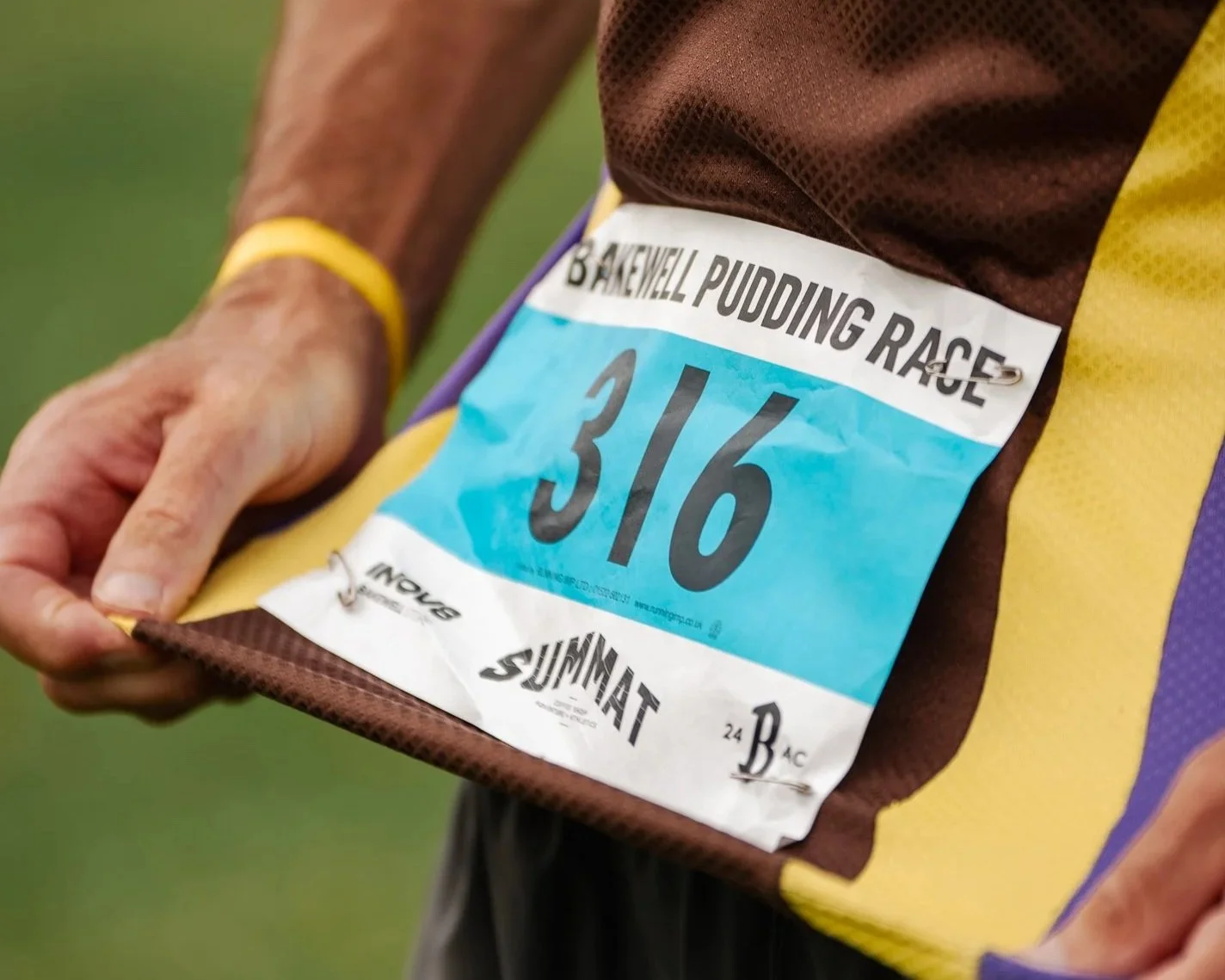
Every race is an opportunity to improve as an athlete when we prioritise enjoyment, extract the race from the training plan, execute our strategy and use our learnings from the day to educate ourselves.
Whether we compete in elite sports or not, training for a goal demands commitment, resilience and focus over a long time. For the vast majority of us, ‘real’ life doesn’t stand still on the sidelines, so naturally training tends to come with sacrifices and compromises. It follows that, come race day, we want to see proof that it’s all been worth it. We want to see progress and results.
For runners, the easiest and most direct way to do that is to look at the chip time (yes, chip time – not Strava time). But there is so much more to a race than the end result. There’s nothing wrong with chasing PBs, but those who only mind the clock could be neglecting a treasure trove of opportunities for improvement.
There is a real skill to analysing and dissecting a race. When we master it, we can turn every single race into a chance to improve as an athlete. At KOTWF, we do it by running through the four E’s. We sat down with our very own Michelle who recently ran a PB at the Great Ocean Road Marathon in Australia off a 12-week training plan. She talked us through her reflections and takeaways from the experience.
Enjoyment
It’s very likely that, if you’re reading this, you are doing your sport as a hobby. It’s easy to build up the pressure in our heads to keep ourselves accountable and motivated, but it’s healthy to regularly remind ourselves that the stakes are actually very low. If you’re like 99% of runners, you don’t make a living from your prize money, and the only thing you risk on a bad day is a bruised ego. You do this for fun. So, the first question to ask yourself after a race should always be: “Did I enjoy that?”.
Enjoyment is very individual, so if the answer is yes the next step is to figure out exactly what you enjoyed. Did you do the race with friends? Did you like the location or the course? Did you do the race in fancy dress? Was it your first time trying something completely different? And it goes both ways. If you didn’t enjoy the race, it’s important to figure out what spoiled the fun so that you can keep that thing as minimal as possible in future outings.
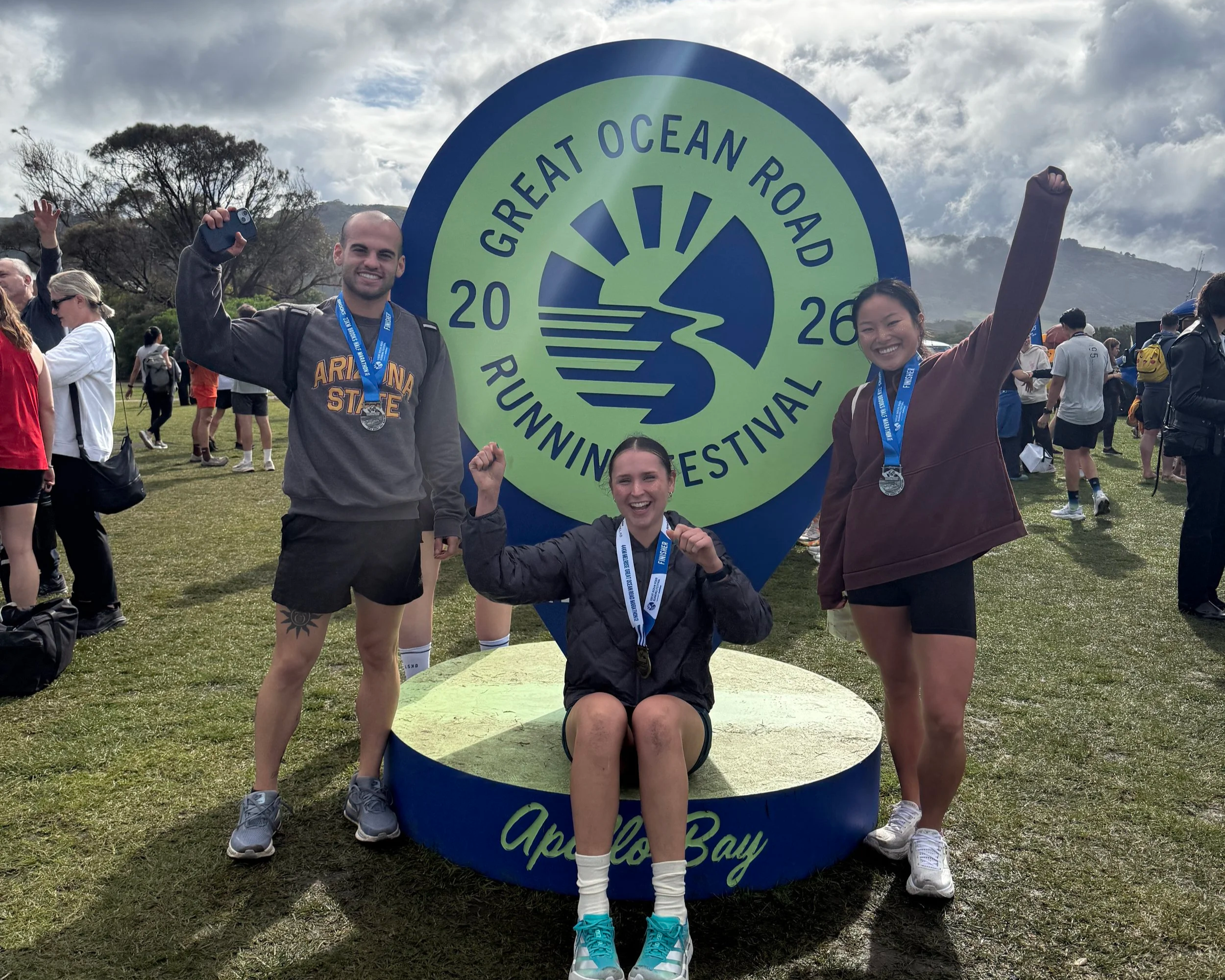
“The Great Ocean Road Marathon was a pretty special and unique experience,” recalls Michelle. “You’re running along the Southern Ocean coastal path for the whole 44km which has very few to no pavements, so it kind of feels like you’ve got the whole road to yourself. The views were epic! The company was also a massive plus for me. I had initially planned to go alone but managed to persuade some friends to do the half marathon on the same day, which made the whole thing even better.”
“On the flipside, it’s a point-to-point race, which inevitably means faffing with shuttle buses. In our case, it meant waiting (in the rain) for transport back to your accommodation. Also, because of the setting, there were no big crowds or much roadside support, just long stretches of road broken up by the occasional aid station. My plan was to run the first half without music or audiobook and then put my earphones in when things got tough but 6km in I felt like the music had to go on as all I could hear were the waves and heavy breathing. A bit more of an atmosphere throughout would have added to the fun!”
At the end of the day, enjoyment is what fuels longevity in sport. It’s not just what keeps us training and competing time and time again today, but it’s what will keep us active and involved in the thing we love even in old age. There is no sustainable progress without enjoyment, so make it the first and foremost priority in every race review.
Extraction
Races are important, sure, but they are only one dot on the graph. One day in the calendar. And yet, we often give that one tile in the mosaic the power to spoil the whole picture. This is mainly because we often presume that races are an unbiased and honest reflection of our fitness, training plan and even talent, but that’s just not fair. We need to learn to extract race day from the bigger picture so that we can review things clearly and accurately.
The work that goes into that day for months beforehand is just as important as the result on race day. It should leave just as much of a mark in our memory. You can be disappointed in what happened on race day but still be immensely proud of what you’ve accomplished in the weeks leading up to it. That can be because you’ve been more consistent than ever before, or you’ve gotten a lot better at managing your sleep, or you’ve started training with a new group and made great friends as a result.
“More often than not, I’m prouder of my discipline and commitment to the training leading up to the race, rather than the race itself. I know we all want race day to go as we planned but I think looking back at all the hard work you put in during the training block is kind of cooler than what happened on the day. I did a 12 week block to prepare for this one - that’s a long time! It’s definitely not something to be taken for granted.”
Don’t let one day change how you remember 100. Extract and view things separately so that you can see the full picture clearly.
Execution
Whether it’s a 5km fun run, a marathon or a trail ultra, it’s important to show up prepared. You’ll have probably discussed nutrition, pacing and even tactics with your coach and your friends. But as Mike Tyson famously said: “Everyone’s got a plan until they get punched in the mouth”.
It’s often overlooked, but a poorly executed plan can ruin races for even the fittest and best prepared athletes. When reviewing your race day, spend some time thinking about how you handled yourself throughout. Were you smart and patient when it mattered? Were you brave enough to make the moves you needed to make? Did you eat and drink when you were supposed to? Did you get carried away and set off too fast?
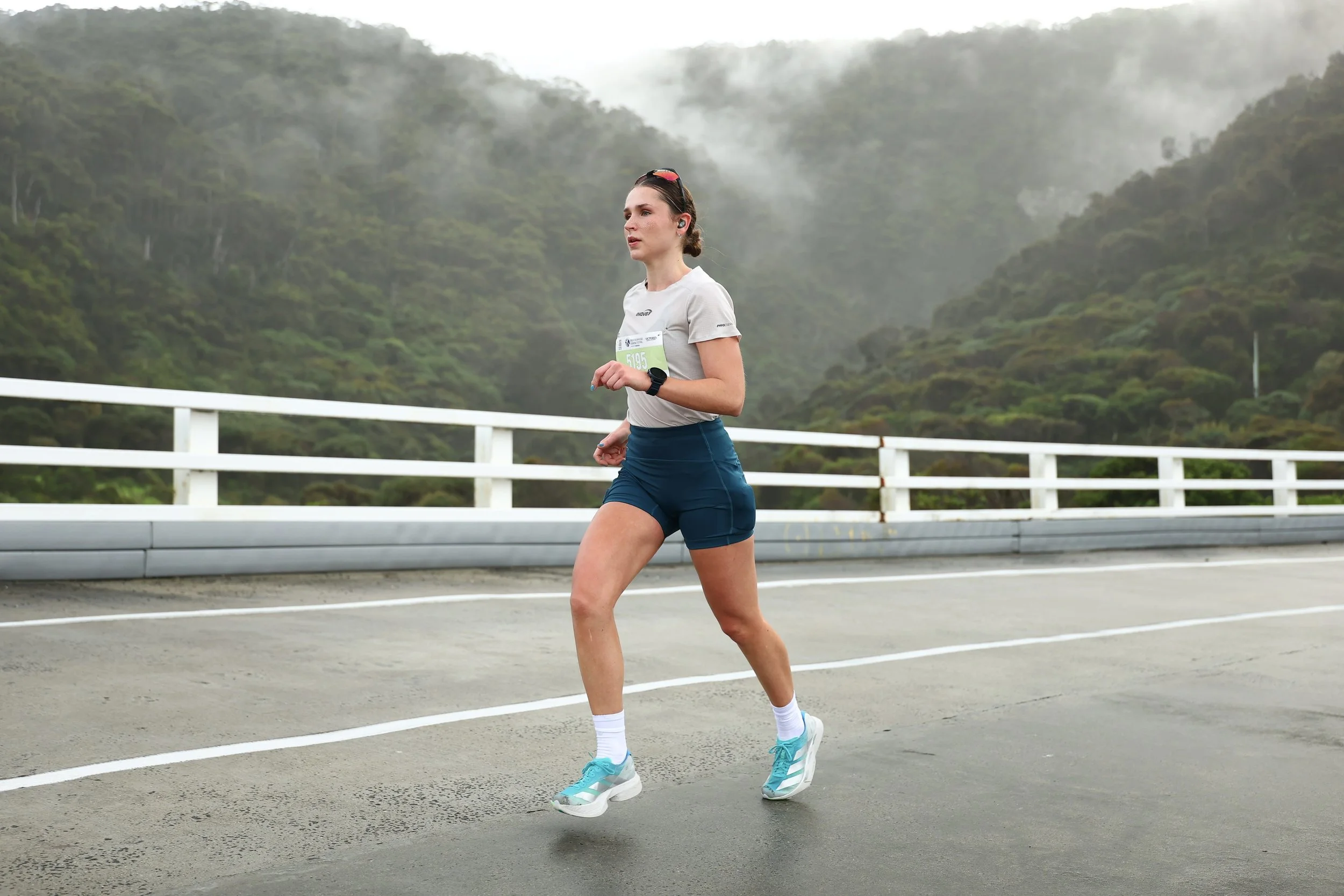
Michelle’s execution was (almost) perfect at Great Ocean Road.
“This wasn’t my first marathon, so I knew how to prepare, but the one thing I forgot was anti-chafe balm! I had run nearly all my long runs in the same shorts and they had never given me an issue, but on race day we had a lot of rain showers and my shorts were wet for pretty much the whole race. I got the worst chafe of my life… I’ll never forget the anti-chafe balm again!”
“On the actual execution front, I stuck to my plan to run conservatively for the first third of the race. Once that box was ticked, I realised I was feeling good so I let myself amp it up a little bit. I also fuelled well throughout even though my stomach wasn’t all too happy after the 5th gel. Despite that, I’m glad I kept taking the carbs onboard because I would have done myself a disservice if I’d gone off-plan.”
If you ticked most of those boxes, you really should be very proud of yourself. Keeping a cool head and executing as planned is hard, especially for less experienced athletes. Even if the end result wasn’t quite what you had hoped for, being able to confidently say you’ve done what you set out to do is a big point of pride.
Education
Enjoyment gives us longevity, extraction allows us to see things clearly, and focusing on execution puts us in the driver seat of our performances. The final piece of the puzzle is education; the ability to learn from our self-reflections and draw a roadmap to a better outcome next time.
Whether you leave yourself a task to make racing more enjoyable, to focus on the journey not the destination, or to TAKE YOUR DAMN GELS, hold yourself accountable to what you’ve taught yourself. You deserve to benefit from your hard-earned experiences. Soon, you’ll see there are no ‘good’ or ‘bad’ races. They’re all just checkpoints on the roadmap.
Michelle’s takeaways from the Great Ocean Road Marathon are pretty clear:
“Marathons are meant to be fun. I prefer inner city marathons where there are crowds and more of an atmosphere to get you through.”
“Trust the training plan! I always get so worried that I’m not getting any fitter and it’s all a waste of time but you’re meant to be fatigued during the 12 weeks. It’s amazing what a two week taper, sensible carb loading and adrenaline can do.”
“Always try to run with friends or at least have friends waiting for you at the end. I would have been so sad crossing the finish line without anyone there to celebrate with me.”
“Remember the anti-chafe balm!”
An expert coach can help you gain insight into your races, approach your learnings with objectivity and draw up an actionable action plan. If you feel like you would benefit from bespoke coaching or even just from a chat with a coach to achieve more today, don’t hesitate to reach out! We love to help.


So you're eyeing up an ultramarathon. This won't be news to you, but whether it's a 50 miler in the French Alps or a 100km road race, an ultramarathon is a bit of a beast. How do you tame a beast? With patience, consistency, and small victories that compound over time. Ultramarathons are about balancing training with recovery, fuelling smartly, and preparing your mind as much as your body.
It might sound like a lot, but it's more than doable. Our KOTWF endurance coaches have put together this training plan to give you the building blocks to start the race with confidence - and finish it with a smile on our face. Inside you will find:
Flexible structure: make the adventure runs, hill sessions, recovery jogs and taper weeks add up.
Guidance: not sure how to tackle nutrition, recovery and all the kit? We've got you!
Expertise: a lot goes into an ultramarathon. Our experts can help you stay at the top of your game on everything from pacing, mindset and motivation.
This plan will equip you with the tools you need to keep things achievable while preparing you for the unique demands of ultra-distance events. If you'd like to take it a step further, don't hesitate to reach out on info@kotwf.co.uk and ask about strength and conditioning, bespoke coaching and extra support.