
Development over damage: KOTWF examines recovery modalities for endurance athletes
Effective recovery is what keeps athletes on the right side of a fine line between development and damage. In this article, KOTWF explains what recovery is and examines the evidence behind a few popular modalities.
Performance in endurance sports is about pushing the body to its limits. So, training should be about preparing the body to go beyond what it’s ever done before. This means inflicting strain, fatigue and stress on our bodies frequently, regularly and consistently.
Ironically, most amateur endurance athletes don’t need much encouragement in this regard. They’re very good at flogging themselves with their training partners – and if nobody wants to join them, they go out and do it alone. What they have traditionally been less good at is the flipside of the coin: the recovery.
We have already touched on the importance of recovery in endurance sports, so we won’t rehash the details. Recovery happens automatically in our bodies without any external help. It’s during periods of rest that we rebuild microtears in our muscles, allow our mitochondria to multiply within our cells and give our hormones a chance to settle down. In other words, it’s thanks to the recovery process that we improve our aerobic efficiency, cardiovascular fitness, metabolic output and muscular conditioning.
So, it’s no surprise that athletic recovery is now a booming industry. Social feeds are canvassed with pro tips and top hacks from professionals and influencers alike – but what actually works? If you’re an endurance athlete looking to up your recovery game, read on as we dive into some of the most popular recovery modalities. We’ll tell you which are backed by scientific evidence, which are worth looking into, and which are best left alone.
What is the best way to recover from endurance training?
Before we do anything, it’s important to thoroughly cover the basics. The recovery pyramid below outlines the pillars of recovery as established by Jonathan Leeder at Sportsmith.
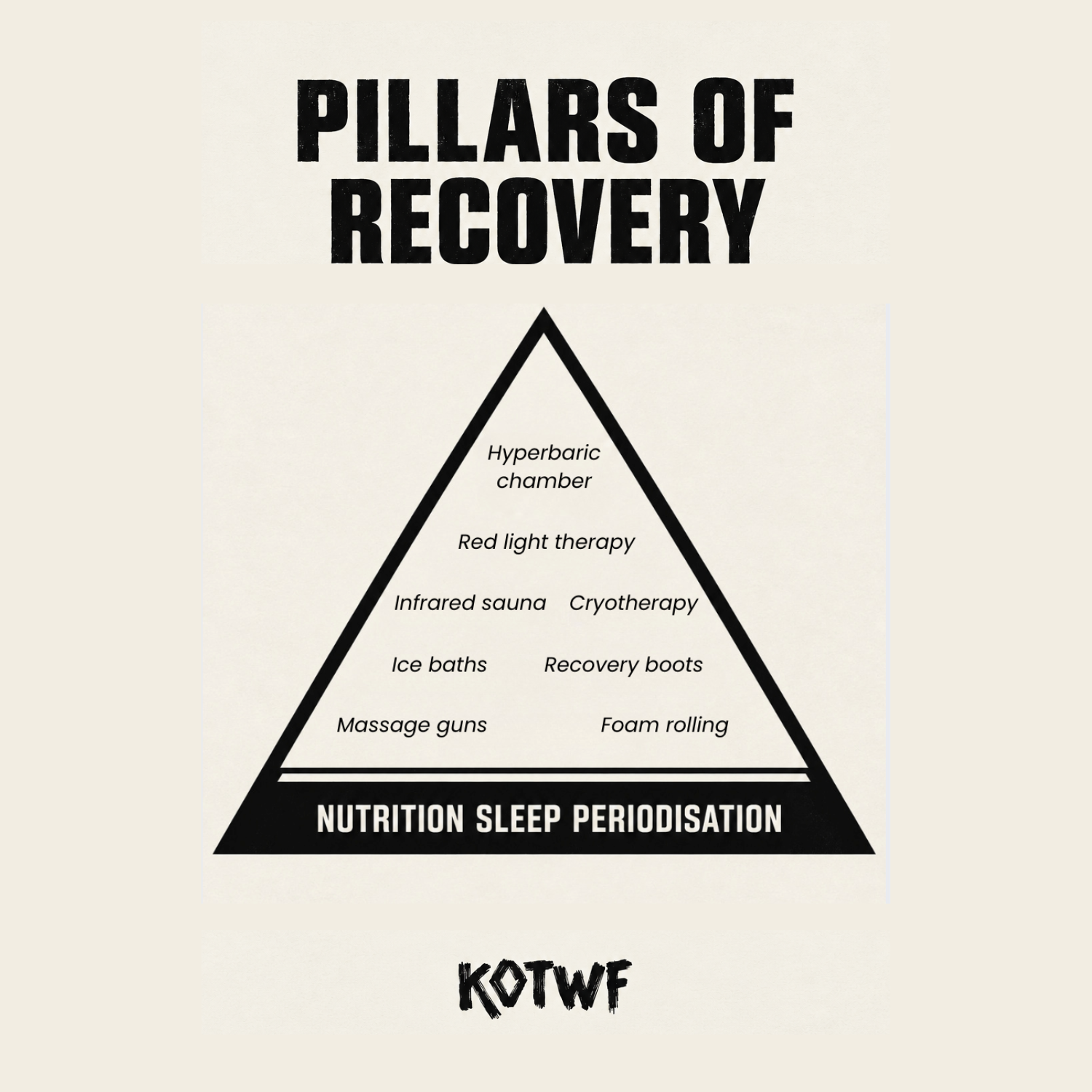
To make adaptations happen in the body, we need three key things:
Plenty of good quality sleep
Enough of the right nutrition
Significant periods of lower training load (or detraining)
If you haven’t got these three fundamentals down to a tee, we’d recommend seriously looking at how to get better at whichever one(s) you’re missing. Because everything else is an add-on. No technique, tool or product – from cryotherapy chambers to massage guns and foam rolling – will replace a good night's sleep, a good meal and a bit of downtime.
Why do endurance athletes use recovery tools and techniques?
It’s very simple: most recovery tools and techniques are designed to speed up the recovery process. Some focus on reducing the muscle soreness that plagues us for days after big, hard sessions; others claim to accelerate physiological mechanisms; and others even aim to facilitate neurological functions. In all of these cases, the idea is to enable the body to recover faster so you can train harder and improve your performance.
But do they actually work? Well, as this is a relatively young market, many of these products simply haven’t been around long enough to be researched thoroughly – it’s rare to find enough studies to feed a conclusive meta-analysis or systematic review. And, as we said, the waters are a little muddy thanks to all the companies and influencers advertising ‘breakthrough’ products seemingly everywhere.
So, let’s look at a few popular recovery modalities and recap what we know, and what we don’t.
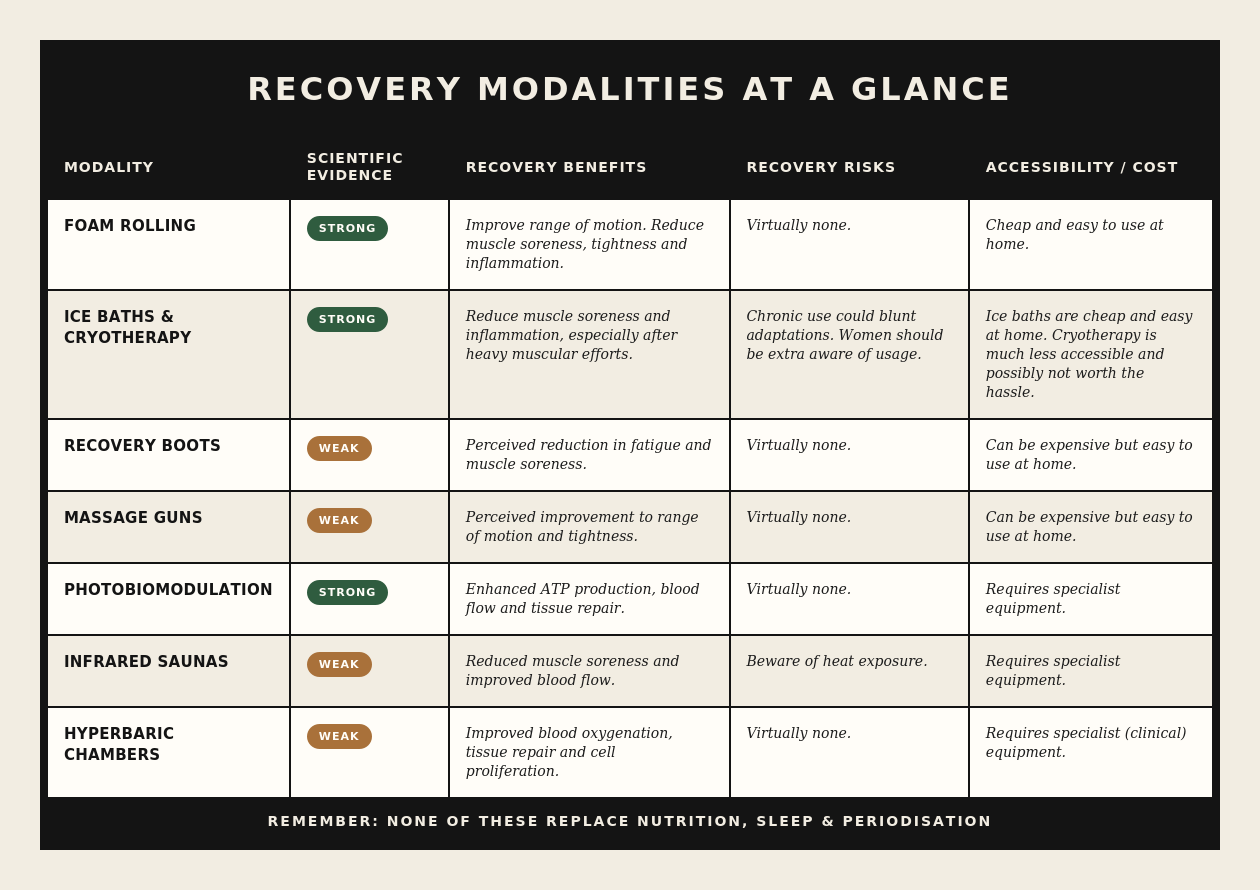
TL;DR
Foam rolling
Most endurance athletes own a foam roller – and for good reason! It’s a cheap and relatively easy way to self-massage muscles and apply pressure to specific points on our body either before or after hard sessions. In theory, foam rollers increase range of motion (ROM) at the joints, and relieve muscle tightness, soreness and inflammation.
There is significant evidence to suggest that 90-120 seconds of foam rolling (per muscle group) can reduce Delayed Onset Muscle Soreness (DOMS) and raise pressure-to-pain thresholds. Most importantly, there seems to be no detrimental effect on recovery, so we say go for it!
The only thing to note is that you will be applying the pressure yourself and, unless you’re an expert, you might not necessarily know what you’re doing. A little bit of self-teaching and research could make this work all the better for you - there is plenty of easily accessible tutorial material out there to help.

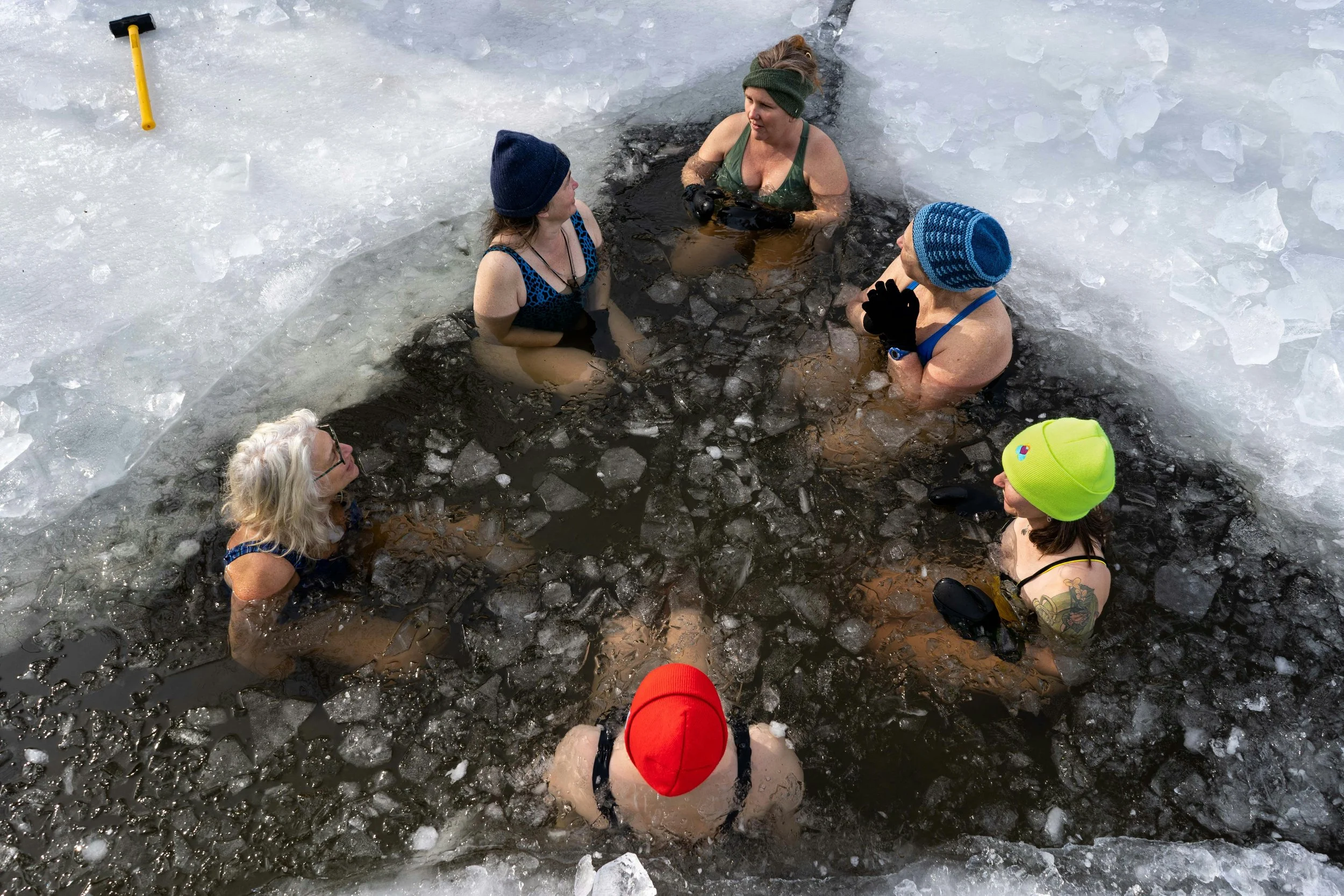
Ice baths and cryotherapy
Ice baths and cold water immersion are used after training to reduce inflammation and muscle soreness in the body, and promote blood and fluid shifts.
But before we dive into the evidence behind these claims, we need to make two things clear. First, we need to distinguish between acute and chronic use. Acute use is where athletes use ice baths and cold water immersion sparingly and only in specific instances where inflammation needs to be delayed. Think of a middle-distance runner going through the rounds in a track and field championship. They will want to avoid sore legs and inflammation as much as possible between races so that they can perform as well in the final as they did in the heats. Chronic use refers to the frequent and consistent use of ice baths to subdue inflammation. For example, a cyclist who jumps into an ice bath after every one of their bi-weekly gym sessions, is a chronic user.
Second, we need to clarify that men and women respond differently to the cold. Women’s hormones (specifically oestrogen and progesterone) influence their resting metabolic rate as well as the regulation of their core temperature. Because these hormones can fluctuate quite significantly over the course of the month, women may not be as well-equipped to ‘fight’ the cold on some days as others. But more importantly, research suggests that women’s blood vessels tighten faster than men’s in cold environments, which means their core temperature and blood flow to extremities can drop quickly. So, what most men would call a refreshing plunge in an ice bath could actually trigger a “flight or fight” response in women, accompanied with a significant release in cortisol (the stress hormone). It’s likely that, in acute use scenarios, this would only be an unpleasant experience for women, but studies suggest that chronic use could disrupt menstrual regularity, blunt thyroid function, and impair recovery. Dr Stacy Sims has pulled together the ideal ice bath protocol for women which we recommend you check out.
That last point is true for men, too. Research suggests the acute use of ice baths at 10-15C (50–59F) for 10-15 minutes can reduce inflammation and muscle soreness in the days following a heavy effort. However, inflammation and soreness are key steps of the recovery process, and they precede crucial adaptations. Emerging research shows that chronic use of ice baths after resistance training might hinder some of these processes and therefore undermine adaptations in the muscles. Following aerobic exercise, however, chronic use appears less likely to have this same negative effect.
Whole-body-cryotherapy (in a chamber) appears to essentially offer most of the same benefits and effects of ice baths. It’s just significantly more expensive and more difficult to implement. When using a cryotherapy chamber, protocols tend to revolve around short intervals of two or three minutes in a chamber set between -110 C and -140 C. If your goal is athletic recovery, this source recommends 3 to 5 sessions per week during heavy training blocks.
Whether you’re using ice baths or whole-body-cryotherapy, remember to take care of yourself afterwards! Warm yourself back up gradually and hydrate properly to help your circulation return to normal.
Recovery boots
These inflatable compression ‘leggings’ have been around for a while. If you follow any athletes on social media, it’s likely you’ve come across them. By inflating and deflating at a given cadence, these leg or arm sleeves exert high levels of pressure and effectively ‘massage’ your muscles with compression. In theory, this should improve blood flow and venous return to reduce metabolic waste and muscle soreness.
Surprisingly, research on their effectiveness is a little sparse. The studies that are out there, however, seem to find some form of consensus on a perceived benefit for muscle soreness and fatigue. Our verdict? Give it a go, if you can. They can be quite expensive, but other than that these boots aren’t going to harm you. But if you’re not particularly bothered and there’s a good massage professional near you, that will likely be just as effective, and probably a much more pleasant experience!
Massage guns
The market for massage guns is expected to be worth $921.4 million by 2033, and personal use accounted for $294.1 million in 2025. So, it’s fair to say massage guns are extremely popular with athletes all over the world. But, ironically, they seem to be one of the least researched recovery tools out there
The idea is simple: by applying percussion (of varying intensity and cadence) to specific points of the body, these massage guns can help improve range of motion, decrease muscle tension and soreness, and increase blood flow. Sadly, there just isn’t enough research out there to conclude either way whether this is true or not. If you asked us, we’d recommend not spending several hundred pounds on one of these guns and getting more intimately acquainted with your foam roller and hard tennis ball instead.
Infrared Saunas
Did you know that infrared radiation causes your body to heat up from the inside? This is how infrared saunas work. To be precise, most infrared saunas use far-infrared wavelengths, which penetrate the skin and heat tissue directly, increasing your core temperature without having to warm the air around you.
As your body temperature rises, your blood vessels dilate and facilitate more blood flow to muscles and connective tissue. In turn, this means more oxygen, nutrients and minerals can travel around and feed the body. It also allows our body to get rid of built up metabolic by-products like lactate.
There is some evidence that a single, post-exercise infrared sauna session speeds recovery and reduces soreness without added cardiovascular strain, and early evidence that this holds up over six weeks of regular use without blunting training adaptations. But considering this study was conducted on basketball players, there is very little evidence to back up claims that infrared saunas specifically benefit endurance athletes.
Photobiomodulation and red light therapy
As opposed to infrared saunas, photobiomodulation uses red and near-infrared light emitted by low-level lasers or LEDs, with wavelengths that can penetrate beyond the skin into muscle and connective tissue. Despite falling under the same umbrella of ‘infrared therapy’, this visible red light is associated with distinct cellular effects and shouldn’t be assumed to offer the same benefits as infrared saunas.
The photons in this specific light wavelength interact with the all-important mitochondria and may stimulate ATP production. They can also trigger signalling pathways involved in blood flow, inflammation and tissue repair. This can help reduce muscle soreness and reduce oxidative stress following exercise.
Does it work? Well, one review of over 1,000 participants across 46 studies concluded that photobiomodulation can increase muscle mass gained after training, and decrease inflammation and oxidative stress in muscle biopsies. It even goes so far as to query whether the therapy should be allowed in international athletic competition! A more recent study also returned positive findings, stating that photomodulation therapy can be an effective intervention for managing DOMS, with potential effects on reducing pain, enhancing muscle strength, and decreasing biochemical markers of muscle damage.
All in all, it doesn’t sound like a bad thing to try out, if you have easy access to the equipment.
Hyperbaric oxygenation therapy
This one is definitely a bit more ‘out there’ than the modalities we’ve looked at so far. Hyperbaric chambers are pressurised to two or three times the pressure at sea level. Medical-grade chambers used in a clinical setting tend to have oxygen masks that deliver increased oxygen concentrations.
It sounds very cool, but why step into one of these fancy chambers? Because, according to Henry’s Law, breathing pure 100% oxygen at higher pressure allows the body to bypass haemoglobin and dissolve that oxygen directly into the blood plasma. In theory, that means increased oxygen availability to muscles and damaged tissues, and enhanced collagen synthesis to repair damaged muscle tissue. The increased oxygen concentration may also produce a controlled increase in reactive oxygen species (ROS) and reactive nitrogen species (RNS). These are antimicrobials and signalling molecules involved in many pathways including: angiogenesis (the formation of new blood vessels), inflammation, antioxidant defence, cell proliferation and tissue repair.
Much of the strongest evidence for hyperbaric oxygenation therapy (HBOT) pertains to clinical applications such as compromised wounds, crush injuries and other conditions involving impaired tissue oxygenation. Its use as a routine recovery tool for healthy athletes is considerably less established. In the world of sports, the most cited independent synthesis is still the Cochrane review which found no convincing evidence that HBOT improves recovery of strength or function after ordinary exercise-induced muscle damage, and in some analyses HBOT was associated with more muscle soreness, not less. However, there is some evidence that it could reduce post-exercise lactate levels, potentially aiding recovery.
All in all, with the evidence available and the significant logistical and financial implications of these chambers, we don’t think they are worth implementing into your routine – unless you happen to have one of these chambers at home, of course.
Should I start supplementing my recovery?
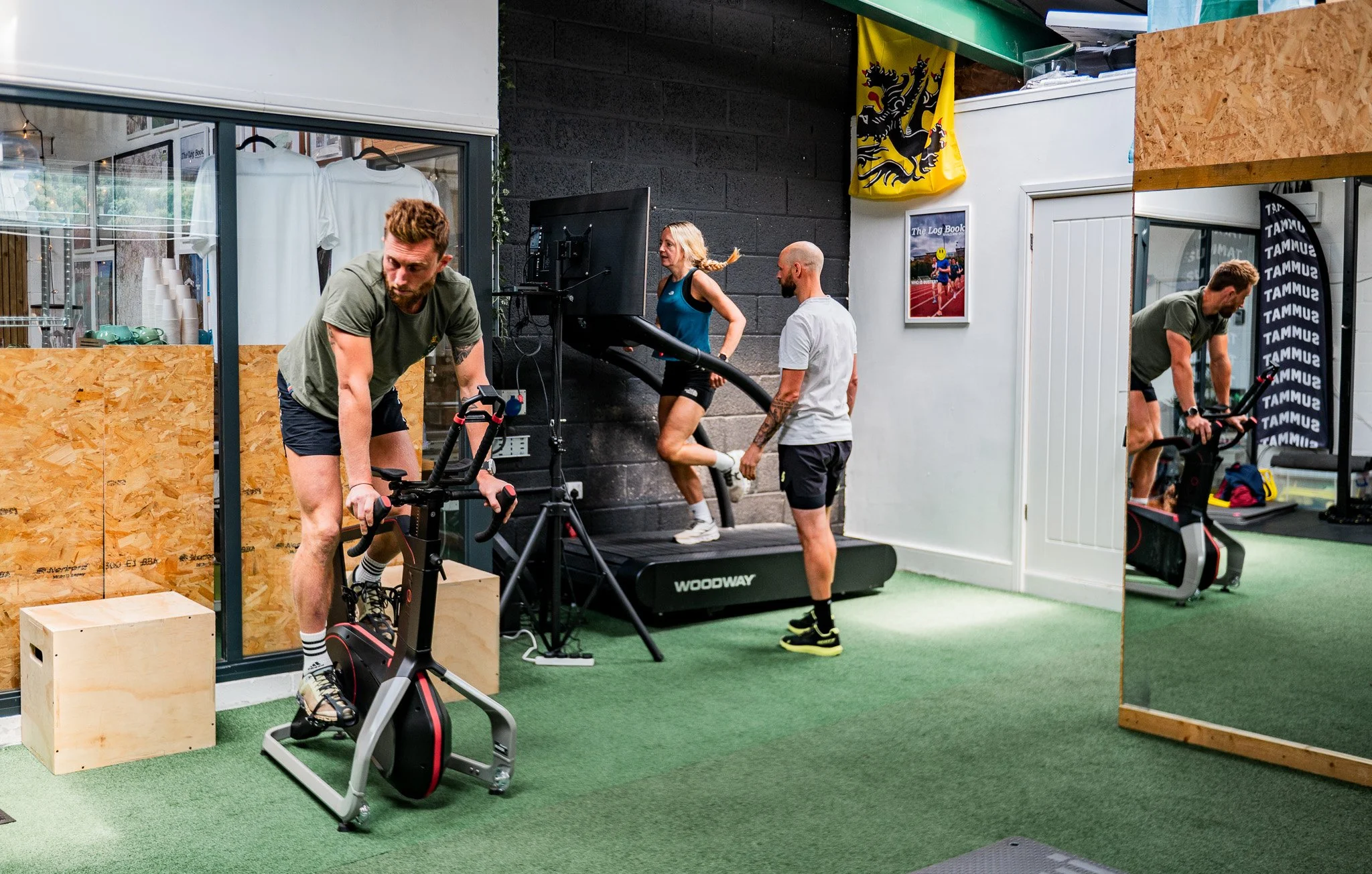
One common theme that seems to emerge from both empirical and anecdotal evidence is that most of these things make you “feel” better. And that’s important. Let’s not look down on the placebo effect, it’s still an important effect! Our advice would be to focus on getting your fundamental recovery absolutely spot-on before considering any of these add-ons.
But if you are nailing your sleep, nutrition and periodisation, there is no reason why you couldn’t try and add a few extra percentage points to your recovery game with some of these modalities. And when you do, we would suggest going for one that has little to no risk for your recovery, is affordable, and practical.
If you would like more information on how recovery fits into your training plan, or any advice on bespoke coaching for endurance sports, please reach out to one of our experts! They’re always happy to help.